••
Ewurabena Yanyi-Akofur urges districts to emulate Bongo sanitation model
•2 min read•1 source
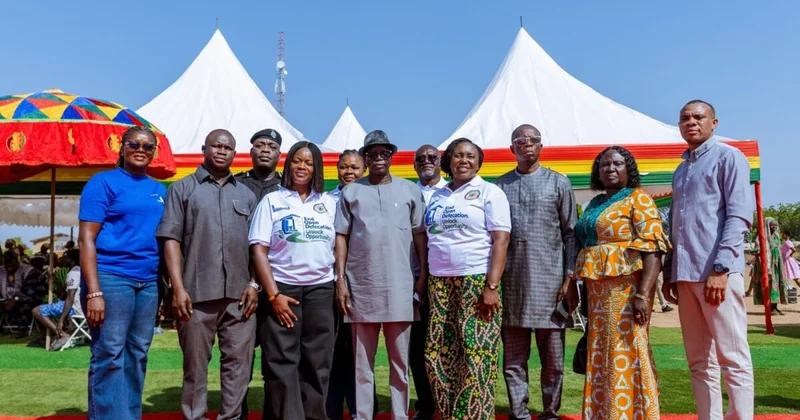
WaterAid Ghana Country Director Ewurabena Yanyi-Akofur has called on Metropolitan, Municipal, and District Assemblies (MMDAs) to prioritise sanitation infrastructure by emulating the successful model implemented in the Bongo District. Speaking at the 2026 World Toilet Day celebrations in Bongo, she emphasized that sustained local leadership and investment are essential to securing safe and decent toilet facilities for all Ghanaians, regardless of their socio-economic status. The call highlights the critical role local government plays in bridging the gap in sanitation access across the country.
Yanyi-Akofur highlighted the Bongo Sanitation Challenge as a benchmark for improving community hygiene and reducing public health risks through proactive leadership. She noted that inadequate sanitation services disproportionately affect vulnerable groups, including women and girls, and urged other local governments to adopt similar community-led initiatives. The Bongo model was specifically praised for its ability to foster deep community involvement and drive sustained behavioural change regarding hygiene practices.
The event also featured contributions from high-level government officials, including Deputy Minister Rita Naa Odoley Sowah, who reaffirmed governmental support for sanitation financing. She called for strengthened collaboration between state and non-state actors to eliminate open defecation. Upper East Regional Minister Donatus Akamugri echoed these sentiments, urging local authorities to take ownership of sanitation responsibilities to ensure that facilities are maintained and hygiene practices are integrated into regional development goals.
The 2026 World Toilet Day celebration served as a platform to underscore sanitation as a vital public service rather than a luxury. Participants concluded that achieving universal access to clean toilets requires a shift in focus toward long-term infrastructure maintenance and consistent hygiene education. By leveraging the lessons learned from the Bongo District, WaterAid Ghana and its partners aim to drive a national movement toward total sanitation coverage and improved public health outcomes for all citizens.


