••
Rita Naa Odoley Sowah says 5.4 million Ghanaians practice open defecation
•2 min read•1 source
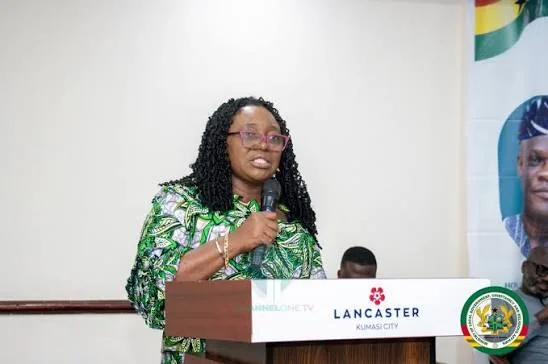
Deputy Minister for Local Government, Decentralisation and Rural Development, Rita Naa Odoley Sowah, has revealed that approximately 5.4 million Ghanaians continue to practice open defecation. Speaking at an event to commemorate 2026 World Toilet Day, the Minister emphasized that despite marginal improvements in national sanitation coverage, the current figures represent a significant public health challenge that requires immediate and coordinated intervention across all levels of government.
The economic burden of poor sanitation remains substantial, with Ms. Sowah noting that the country loses an estimated US$290 million annually due to related health issues and lost productivity. Beyond the financial impact, the lack of adequate facilities poses a severe threat to the safety and dignity of women and girls. The Deputy Minister highlighted that this demographic is particularly vulnerable to health risks and physical danger when forced to seek out secluded spots for personal needs in the absence of private toilets.
To address these infrastructure gaps, the government has directed the allocation of 10% of the District Assemblies Common Fund (DACF) specifically toward improving sanitation services. This funding is intended to support the construction of more resilient toilet facilities and hygiene infrastructure in communities where the need is greatest. Upper East Regional Minister Akamugri Donatus Atanga, who also addressed the gathering, reinforced this directive by urging local government authorities to prioritize the maintenance of existing facilities and foster a culture of individual responsibility.
The 2026 World Toilet Day celebration served as a platform for stakeholders to renew their commitment to achieving sustainable sanitation for all. By focusing on both financial investment and behavioral change, the Ministry aims to drastically reduce the number of citizens practicing open defecation in the coming years. Officials stressed that achieving these goals will depend on the effective implementation of sanitation bylaws by Metropolitan, Municipal, and District Assemblies (MMDAs) to ensure every household has access to improved latrines.


