••
Upper West Region achieves 79% open defecation free status
•2 min read•1 source
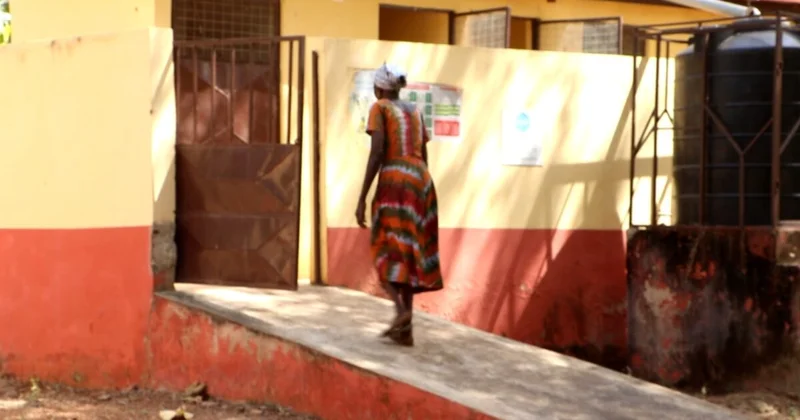
The Upper West Region has made significant strides in sanitation, with 79% of its communities now officially declared Open Defecation Free (ODF). As of World Toilet Day 2026, 938 out of the region's 1,167 communities have successfully transitioned away from open defecation, marking a substantial shift in public health and environmental standards. This milestone represents a dramatic improvement from a decade ago, when only 29% of the region’s communities met these essential sanitation criteria.
The transformation is largely attributed to sustained regional initiatives and partnerships, most notably the Healthy Future for All project. This programme focused on improving access to safe and sanitary facilities while educating residents on the health risks associated with poor hygiene practices. Previously, many residents were forced to seek alternatives in bushes or open fields, a practice that not only posed severe health risks but also compromised the safety and dignity of vulnerable groups, particularly women and girls. Local leaders have emphasized that the provision of toilets is more than just infrastructure; it is a fundamental requirement for health, dignity, and ensuring equal opportunity for all citizens.
Despite the progress, authorities acknowledge that 229 communities still lack ODF status and remain focused on closing the gap. Regional leaders and sanitation partners have pledged to maintain the momentum, setting an ambitious target to achieve 100% ODF coverage across all 1,167 communities by 2027. Reaching this goal will require continued investment in sanitation infrastructure and community engagement to ensure that no household is left behind. The success in the Upper West Region serves as a model for other parts of Ghana, demonstrating that targeted intervention and community-led strategies can yield significant results in public health.


