••
World Vision Ghana urges investment in toilets for 6m people
•2 min read•2 sources
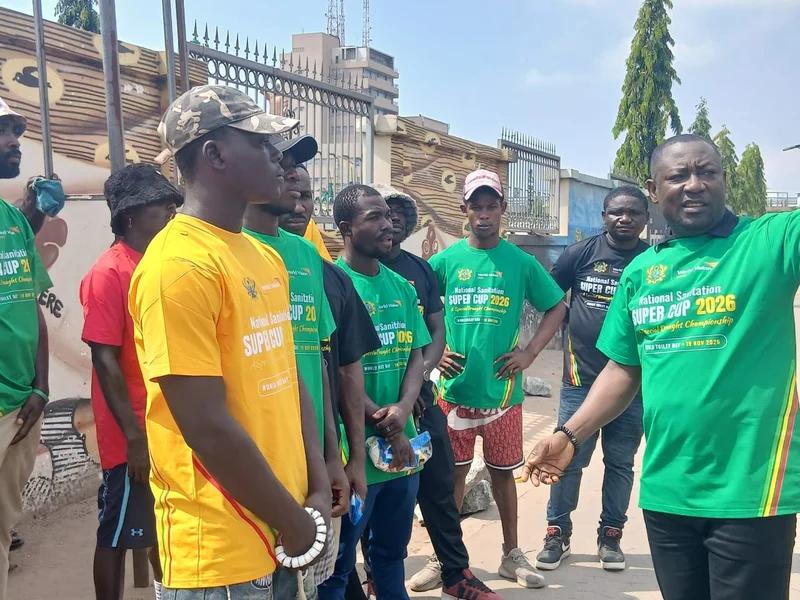
World Vision Ghana (WVG) has issued an urgent call for the government and private sector to increase financial investment in sanitation infrastructure to eliminate open defecation across the country. Speaking in commemoration of World Toilet Day, the organization highlighted a significant gap in national hygiene standards, noting that over six million Ghanaians still lack access to basic toilet facilities. The advocacy group emphasized that addressing this deficit requires a dual approach: significant capital investment and intensive public education to shift hygiene behaviors in homes and schools.
Yaw Attah Arhin, the WASH Innovations and Partnership Specialist at World Vision Ghana, described access to a toilet as a fundamental right rather than a luxury. He warned that inadequate sanitation remains a primary driver for the spread of infectious diseases, posing severe health risks particularly to children. To bridge the current infrastructure gap, Mr. Arhin proposed the adoption of innovative financing models and the use of technology to better enforce existing sanitation regulations. He urged for stronger public-private partnerships to accelerate the provision of facilities in underserved communities.
The call for action also addressed the economic barriers faced by many Ghanaians. During community engagements, residents reported that high usage fees for existing public toilets often force individuals to resort to open defecation. World Vision Ghana suggested that making sanitary facilities more affordable and accessible is crucial for achieving long-term health outcomes. The organization remains committed to its long-term strategy, aiming to provide improved sanitation to 343,000 people and safe drinking water to more than 700,000 Ghanaians by 2030 through sustained awareness campaigns and infrastructure projects.


