••
US State Department Pledges $267m for Ebola Relief as Nigeria and Sahel Face Surge in Heat-Related Deaths
•2 min read•2 sources
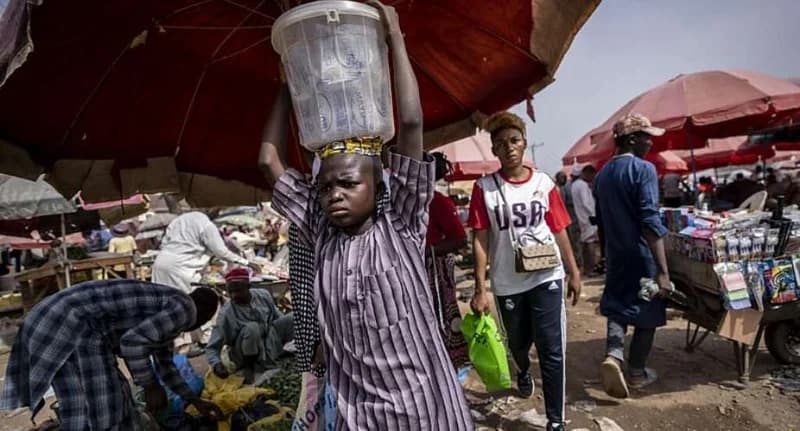
The African continent is currently facing a dual onslaught of public health emergencies as international donors ramp up efforts to contain a lethal Ebola outbreak while climate scientists warn of record-breaking heat-related fatalities. During the United Nations General Assembly, the United States State Department announced an additional $267 million pledge to combat the Ebola virus in Central Africa, specifically targeting the Democratic Republic of the Congo (DRC). This announcement arrives as the Sahel region prepares for a devastating climate crisis, with projections indicating that extreme temperatures driven by an intense El Niño phenomenon could claim tens of thousands of lives across West Africa in the coming months.
The Ebola outbreak, first detected in May, has been identified as the second most lethal on record, prompting an urgent international call for $2 billion in total funding. With this latest contribution, the total U.S. commitment to the current response stands at $886 million. These funds are earmarked for the establishment of specialized treatment facilities and the provision of essential medical support for frontline health workers in the region. Congolese Prime Minister Judith Suminwa Tuluka has characterized the outbreak as a significant challenge for the DRC, emphasizing that while the nation is committed to the fight, sustained support from international partners remains critical to preventing further regional spread.
Simultaneously, the Climate Impact Lab has issued a sobering forecast for the Sahel region, predicting approximately 66,800 additional heat-related deaths between September and February. Nigeria is expected to bear the heaviest burden, with a projected 31,400 fatalities—the highest toll globally for this period. As the current El Niño event threatens to become the strongest on record, researchers are calling for immediate interventions, including the implementation of heat warnings and emergency medical responses. These intersecting crises of infectious disease and climate-induced health risks highlight the urgent need for robust, multi-faceted public health infrastructure and increased global preparedness to protect vulnerable populations across the continent.

