••
Kenya Confirms First Fatal Ebola Case as Regional Health Concerns Mount Over Rare Strain
•2 min read•3 sources
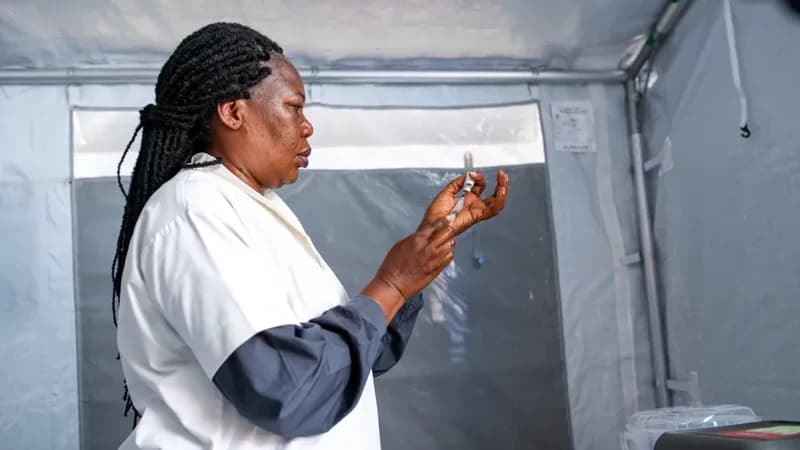
Kenya has recorded its first-ever fatal case of Ebola, marking a significant escalation in regional efforts to contain the virus. Health Minister Aden Duale confirmed that the deceased was a Kenyan national who had been residing in the Democratic Republic of Congo (DRC) for seven years. After falling ill, the individual traveled from the DRC through Uganda to Nairobi, where he eventually succumbed to the virus at Nairobi Hospital. This development makes Kenya the fourth nation to report a case in the current epidemic, which has already claimed more than 4,000 lives in the DRC this year alone.
Medical laboratory tests confirmed that the patient was infected with the Bundibugyo strain of Ebola, a rare species for which there is currently no approved vaccine. Health officials revealed that the patient had sought treatment at multiple facilities within the DRC before traveling to Kenya. Despite displaying symptoms of hemorrhagic fever, the individual was not flagged by airport screenings during his journey through Uganda and into Nairobi. This lapse has prompted experts to call for more rigorous cross-border health surveillance and improved diagnostic protocols at international points of entry.
In immediate response to the fatality, the Kenyan Ministry of Health has initiated aggressive contact tracing and quarantine measures. Authorities have identified 28 direct contacts, including medical staff and relatives, along with 23 passengers who traveled on the same flight as the deceased. These individuals are being monitored closely to prevent further transmission. The World Health Organization (WHO) has categorized this current outbreak as one of the fastest-growing in history, emphasizing that containment efforts are critical to preventing a wider international crisis.
The situation in Kenya follows a recent outbreak in neighboring Uganda, which was declared Ebola-free in August after recording 20 cases and two deaths. However, the persistence of the virus in the DRC and its emergence in Nairobi highlight the fragile nature of regional health security. Public health experts stress that until the epidemic in the DRC is fully contained, neighboring countries must remain on high alert, prioritizing regional cooperation and the sharing of epidemiological data to safeguard populations against the rare and deadly Bundibugyo strain.


