••
Plan International Study Links Climate Disasters to Increased Vulnerability of Girls to Child Marriage and Pregnancy
•2 min read•1 source
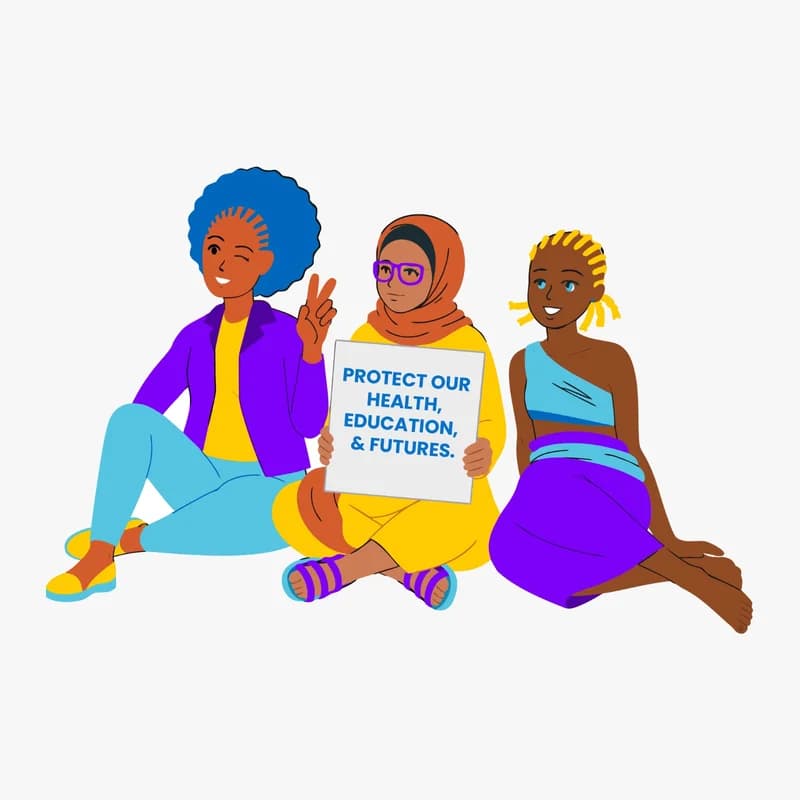
A comprehensive global study conducted by Plan International has revealed a direct and alarming link between climate-related disasters and the increased vulnerability of girls to child marriage, teenage pregnancy, and violence. Analyzing health and climate data from 52 low- and middle-income countries, the research underscores how extreme weather events such as floods, droughts, and heatwaves are not merely environmental challenges but significant drivers of social and health crises. The findings suggest that climate shocks act as a catalyst for human rights violations, disproportionately affecting young women in vulnerable regions.
The study's statistical findings paint a troubling picture of the current landscape. According to the data, 10% of girls surveyed reported experiencing unintended pregnancies specifically linked to climate-related events, while 36% of participants noted a visible uptick in child marriages within their communities following disasters. This correlation is often driven by economic desperation following crop failures or property loss, where families may resort to early marriage as a survival mechanism. Furthermore, the study found that 10% of girls had married before the age of 18, with a significant number of these unions occurring in the wake of climate-induced displacement or poverty.
Beyond immediate social risks, the research highlights a severe disruption in essential services. Approximately 76% of girls reported facing significant difficulties in accessing health services, a figure that rises to 84% among those specifically affected by drought. Education, which serves as a primary defense against early marriage and unintended pregnancy, is also under threat; girls whose education is disrupted by climate events are twice as likely to face these risks compared to those who remain in school. The inability to access reproductive health services and the loss of safe educational environments create a vacuum that leaves girls exposed to exploitation and long-term health complications.
In light of these findings, Plan International and experts such as Reena Ghelani have emphasized the urgent need for climate action strategies that specifically prioritize the health, education, and protection of girls. The report calls for a gender-transformative approach to emergency response and climate policy, ensuring that the unique risks faced by young women are addressed in national and international adaptation plans. Moving forward, the organization advocates for sustained investment in resilient health systems and the protection of educational pathways as vital components of any effective climate response strategy.

