••
Kenya Confirms First Fatal Ebola Case as Health Authorities Launch Massive Contact Tracing Operation
•2 min read•3 sources
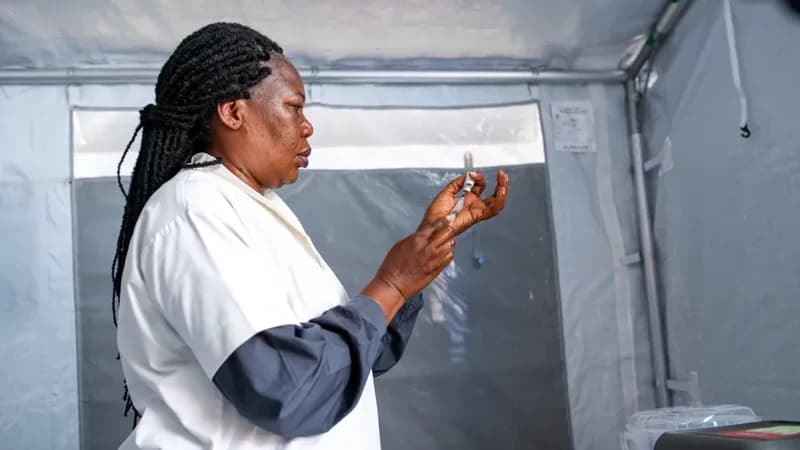
Kenya has recorded its first-ever fatal case of Ebola, marking a significant escalation in the regional spread of the virus. Health Minister Aden Duale confirmed on Tuesday that the deceased was a Kenyan national who had been residing in the Democratic Republic of Congo (DRC) for seven years. The individual, who exhibited severe symptoms of hemorrhagic fever, passed away at Nairobi Hospital shortly after arriving in the country. Laboratory tests have since confirmed the presence of the rare Bundibugyo strain, a variant for which there is currently no approved vaccine, complicating containment efforts from the outset.
The patient’s journey to Nairobi has raised urgent concerns regarding the efficacy of cross-border surveillance and airport screenings. After falling ill nearly a month ago, the individual reportedly sought medical treatment at multiple facilities within the DRC before traveling through Uganda to reach Kenya. Crucially, the patient was not flagged by health screenings during his transit, allowing him to enter the Kenyan capital while infectious. This development follows a separate recent outbreak in Uganda, which recorded 20 cases and two deaths before being declared Ebola-free in August, highlighting the persistent threat of the virus across East African borders.
In response to the fatality, Kenyan health authorities have initiated aggressive public health protocols to prevent a localized outbreak. Medical teams have identified 28 direct contacts who are now being monitored or placed in isolation, alongside 23 passengers who shared the same flight as the deceased. Minister Duale emphasized that these measures are part of a strict safety protocol to mitigate further spread. Because the Bundibugyo species is rare and lacks a standardized vaccine, health officials must rely almost entirely on rapid isolation and rigorous contact tracing to break the chain of transmission.
Kenya is now the fourth nation to document a case in what experts describe as one of the fastest-growing Ebola epidemics in history. The crisis remains centered in the DRC, where the virus has claimed over 4,000 lives this year alone. The World Health Organization (WHO) and regional health experts warn that the current outbreak presents unprecedented challenges to public health systems. They are calling for immediate enhancement of regional health collaboration and surveillance to prevent further cross-border transmission and to manage the threat posed by this highly virulent strain.


