••
Josephine Oppong-Yeboah urges GHS to expand rural breast cancer education
•2 min read•1 source
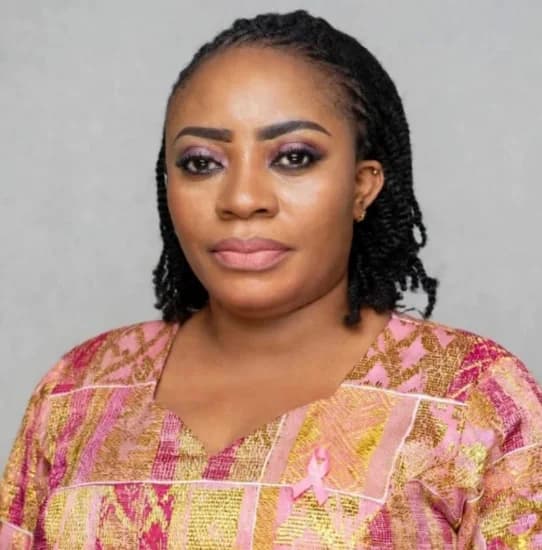
Josephine Oppong-Yeboah, a media personality and healthcare professional, has called on the Ghana Health Service (GHS) to intensify breast cancer awareness and outreach programs specifically targeting rural communities. She emphasized that the current concentration of awareness efforts in urban centers often leaves women in remote areas vulnerable to misinformation and delayed diagnosis. As a gender and disability advocate, she highlighted the urgent need to bridge the information gap that persists between urban and rural populations.
Oppong-Yeboah pointed out that deep-seated myths and cultural misunderstandings about breast cancer often prevent women from seeking early medical intervention. She noted that many women still perceive a diagnosis as an automatic death sentence, while others are deterred by fears regarding conventional treatment methods. By debunking these myths through sustained, grassroots education, she argued that the healthcare system can significantly reduce preventable deaths and ensure that women understand there is hope and life after a diagnosis.
A central part of her appeal is the necessity for awareness campaigns to extend beyond the annual "Pink October" observances. Oppong-Yeboah stressed that breast cancer remains a year-round health challenge that requires a continuous educational presence in local communities. While she commended the work of various non-governmental organizations (NGOs) in driving national awareness, she maintained that a more consistent and institutionalized effort led by the GHS is essential to reaching the most underserved populations in Ghana.
Moving forward, the advocate's call underscores the importance of empowering women through direct community engagement. By bringing information and screening resources directly to rural areas, healthcare providers can encourage regular self-examinations and prompt medical consultations. This shift toward rural-focused, year-long education is presented as a vital step in improving national survival rates and ensuring equitable healthcare access for all Ghanaian women, regardless of their geographical location.

