••
Josephine Oppong-Yeboah urges year-round breast cancer education
•2 min read•1 source
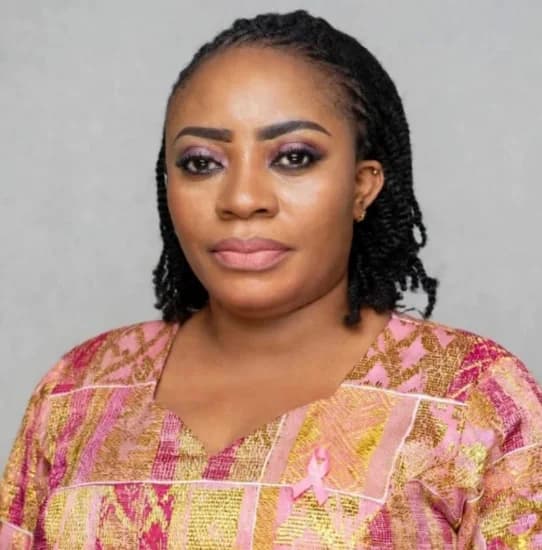
Josephine Oppong-Yeboah, a prominent Ghanaian media personality and healthcare professional based in the United States, has issued an urgent appeal to the Ghana Health Service (GHS) to institutionalize breast cancer education beyond the annual Pink October observances. Speaking from her perspective as a gender and disability advocate, she emphasized that the fight against the disease requires a consistent, year-round strategy rather than a seasonal focus. This approach is particularly vital for reaching women in underserved rural districts who may not have regular access to reliable healthcare information.
Central to her call is the need to dismantle deep-seated myths and misconceptions that continue to plague rural communities and hinder medical progress. Oppong-Yeboah pointed out that many women still erroneously view a breast cancer diagnosis as an inescapable death sentence. This fatalistic outlook, coupled with misunderstandings about clinical treatments and fear of surgery, often discourages patients from seeking early medical intervention. Such delays frequently result in advanced-stage presentations that are harder to treat and lead to avoidable loss of life.
The advocate stressed that education is the most powerful tool for ensuring that women understand there is significant hope for survival and recovery after a diagnosis. By providing clear, factual information about the effectiveness of early detection and modern treatment protocols, the healthcare system can empower women to prioritize their health. She argued that overcoming these cultural and psychological barriers is as critical as the medical treatment itself in reducing the national mortality rate associated with the disease.
While urging the GHS to take a leading role in this expanded outreach, Oppong-Yeboah also lauded the contributions of various non-governmental organisations (NGOs) currently filling the gaps in awareness. She called for a more collaborative and sustained effort between the state and private advocates to ensure that no woman, regardless of her geographical location, is left without the life-saving knowledge necessary to detect and combat breast cancer effectively.

