••
John Abdulai Jinapor announces 200MW battery energy storage system
•2 min read•1 source
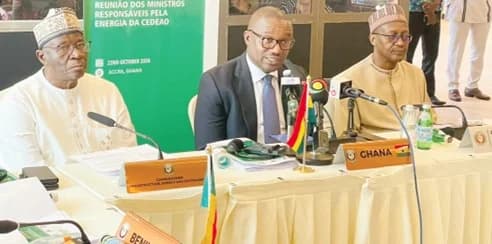
Dr. John Abdulai Jinapor, the Minister of Energy and Green Transition, has announced Ghana's plan to implement a 200MW grid-scale Battery Energy Storage System (BESS). Speaking at the ECOWAS Energy Ministers Meeting, the Minister explained that the project, which will provide 1,500 MWh of storage capacity, is a strategic move to manage peak electricity demand and improve the efficiency of power usage within the country. This initiative is designed to be supported by solar power, aligning with Ghana's broader goals for a green energy transition and more stable grid management.
During his address, Dr. Jinapor emphasized that the future of West Africa’s energy sector depends on smart energy management rather than solely increasing power generation capacity. He argued that focusing on storage and efficient distribution is crucial for modernizing the grid. To support this vision, the Minister called for greater regulatory clarity across the region to attract the necessary private-sector investment. He also advocated for the revival of local refining capabilities to reduce Ghana’s reliance on imported fuel, which would further stabilize the energy sector and lower costs for consumers.
The meeting also highlighted the broader energy crisis facing the West African sub-region. ECOWAS Commissioner for Energy and Mines, Amin Amidu Sulemani, noted that approximately 180 million people in the region currently lack access to electricity. Sulemani urged member states to adopt modernized policies and foster regional cooperation to address these significant energy deficits. Dr. Jinapor echoed these sentiments, stressing that regional power trade and collaborative infrastructure projects like the BESS are essential for ensuring that no country is left behind as West Africa strives for energy security.
The 200MW project marks a significant step in Ghana’s efforts to integrate more renewable energy into its national mix. By providing a buffer during periods of high demand, the battery storage system will help reduce the need for expensive thermal generation and minimize power fluctuations. As Ghana moves forward with this grid-scale storage initiative, the project is expected to serve as a model for other ECOWAS nations looking to enhance their energy resilience and facilitate smoother cross-border electricity trade through the West African Power Pool.


