••
Professor Isaac Boateng urges funding for sustainable drainage research
•2 min read•1 source
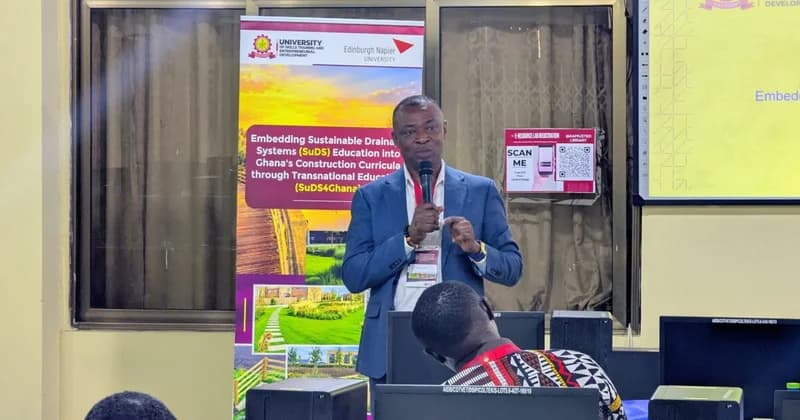
Professor Isaac Boateng has called on research funding bodies to support studies into sustainable drainage systems specifically designed for Ghana’s urban environment. Speaking at a workshop focused on enhancing Technical and Vocational Education and Training (TVET) and higher education curricula, he emphasized that existing drainage infrastructure is struggling to keep pace with rapid urbanization and shifting climatic patterns. This workshop served as a platform to highlight the urgent need for infrastructure that can handle the increased volume of stormwater seen in metropolitan areas. During the session, Professor Boateng, a lead academic from the University of Skills Training and Entrepreneurial Development (USTED), identified the Ghana Research Fund and the British Council as essential partners for financing these studies. He advocated for a paradigm shift in how the nation views stormwater, suggesting it should be managed as a valuable resource rather than a hazard. Specifically, he recommended the implementation of Sustainable Drainage Systems (SuDS), such as rain gardens and permeable pavements, which mimic natural processes to manage runoff at the source. The workshop is part of a collaborative effort to integrate these concepts directly into the national education system. By embedding sustainable drainage principles into TVET and university coursework, the initiative seeks to provide future professionals with the practical expertise needed to design and maintain flood-resilient cities. Professor Boateng argued that this educational evolution is critical for addressing the systemic failures of traditional concrete drainage gutters, which often become blocked or overwhelmed during heavy rains. Moving forward, the integration of these modern techniques into the Ghanaian curriculum is expected to foster local innovation in urban planning. Proponents of the shift believe that localized research will provide the data necessary to convince policymakers and developers to adopt greener, more effective infrastructure. This strategic alignment between academia and national development goals aims to provide long-term relief from the perennial flooding issues that affect many of Ghana's major metropolitan areas.


