••
University of Ghana integrates AI into research training for PhD students
•2 min read•1 source
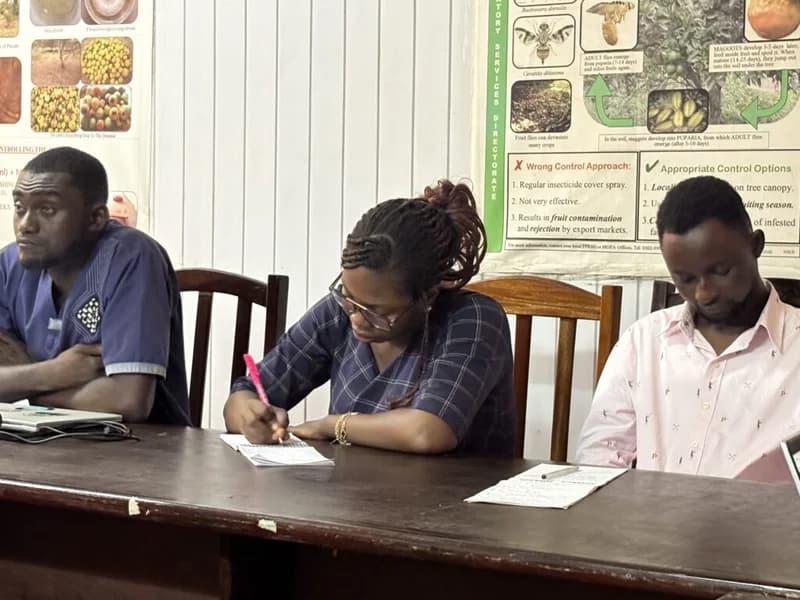
The University of Ghana has commenced a specialized training program for PhD students and faculty members focused on integrating artificial intelligence (AI) tools into research processes. This initiative, organized by the Departments of Animal Biology, Marine and Fisheries Sciences, and Plant and Environmental Biology, aims to equip academics with modern skills for systematic literature reviews and reference management. The training aligns with the university's 2024–2029 Strategic Plan, which seeks to modernize academic practices and bolster the institution's global research standing.
Faculty members at the university noted that the move to AI-assisted research is partly driven by the need to address persistent issues such as citation errors and inefficient literature synthesis, particularly within the conservation and environmental sciences. By utilizing AI tools, researchers can more effectively manage large volumes of data and ensure academic integrity in their citations. Despite significant institutional investment in electronic resources, usage rates have historically remained low; this training serves as an outreach effort to ensure these high-value tools are actively utilized by the academic community.
The program is funded by BANGA-Africa with support from the Carnegie Corporation of New York, reflecting a broader commitment to strengthening Africa’s academic workforce. Beyond improving individual research papers, the initiative is designed to enhance the competitiveness of grant applications submitted by the university's faculty. By adopting these advanced technological tools, the University of Ghana aims to increase its scholarly output and secure more international research funding, ultimately addressing critical research gaps across the continent.

