••
Ghana TVET Service partners with US colleges to boost technical training
•2 min read•1 source
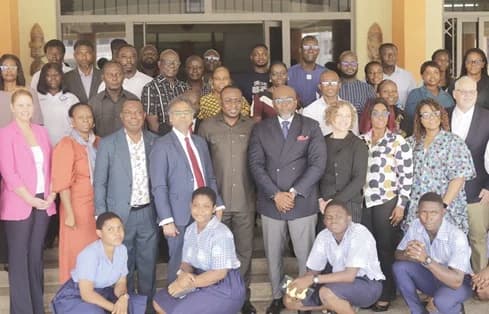
The governments of Ghana and the United States have initiated a strategic partnership to strengthen Technical and Vocational Education and Training (TVET) across Ghana. Facilitated by the Ghana TVET Service and the Hilltop Global Group, the collaboration links American community colleges with local technical institutions to create a robust framework for skills development. This initiative is designed to address the evolving needs of the Ghanaian job market by equipping youth with industry-relevant competencies through practical, hands-on training.
The program focuses on several critical areas, including comprehensive assessments of existing skills gaps and the development of curricula that align with modern industry standards. US community colleges will provide expertise in instructor training and practical instruction methods, ensuring that Ghanaian students receive education that matches international benchmarks. A significant aspect of the partnership involves establishing stronger ties between educational institutions and the private sector, encouraging employers to play a more active role in the training and certification process.
Veronica Manu Narterh of the Ghana TVET Service and Phil S. Agbeko from the Hilltop Global Group have highlighted the project's potential to transform vocational training. By integrating modern technologies into various trade areas, the program aims to produce graduates who are not only employable but also prepared to launch their own entrepreneurial ventures. The initiative also places a high priority on inclusivity and the adoption of environmentally sustainable practices within technical training modules, ensuring that the workforce is prepared for the green economy.
This collaboration comes as Ghana seeks to reduce youth unemployment through industrialization and technical proficiency. By leveraging the community college model from the United States, the partnership seeks to bridge the gap between theoretical education and the practical requirements of the contemporary workforce. Moving forward, the program is expected to create a steady pipeline of skilled professionals capable of driving economic growth and innovation across multiple industrial sectors in Ghana.


