••
Municipal Assemblies Launch GH¢69 Million 24-Hour Market Projects in Darkuman and Ga Odumase
•2 min read•2 sources
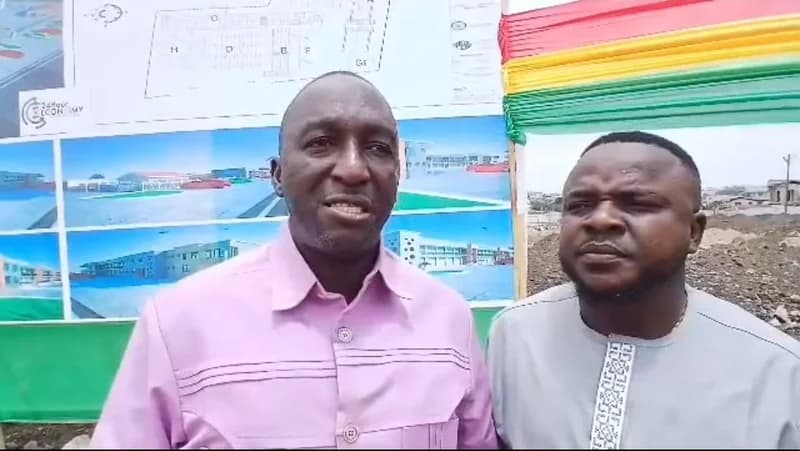
Municipal authorities in the Greater Accra Region have initiated the construction of two major 24-hour markets, representing a combined investment of approximately GH¢69 million. These projects, located in the Ablekuma North and Ga West municipalities, are designed to modernize trading infrastructure and provide the backbone for a continuous economic cycle. The developments aim to enhance the local business environment while creating immediate employment opportunities for residents during the construction phase, aligning with a broader strategic push toward a 24-hour economy. In the Ablekuma North Municipality, Municipal Chief Executive Adamu Musah Kalamu has officially launched the GH¢35 million Darkuman 24-hour market. The project is scheduled for completion within 16 months and is expected to significantly improve trading conditions for local vendors. Mr. Kalamu emphasized that the assembly has secured the necessary funding and is prioritizing the recruitment of qualified local artisans and laborers to foster community ownership. He expressed confidence in the contractor's ability to maintain high quality and meet the delivery timeline, urging the community to support the project for a timely finish. Simultaneously, the Ga West Municipal Assembly has commenced work on a similar GH¢34 million commercial center and 24-hour economy market in Ga Odumase. This facility is designed to be more than a traditional market, featuring 400 modern stalls, specialized meat shops, and cold storage units to support diverse trading needs. To ensure the safety and health of traders and patrons, the complex will also include an on-site clinic and a police post. The Greater Accra Regional Minister and local leaders have underscored the project's importance, calling on the contractor to strictly adhere to the delivery schedule to minimize disruption to local commerce. These infrastructure investments are expected to act as catalysts for economic growth within their respective municipalities. By providing secure, well-equipped spaces that can operate day and night, the assemblies aim to bolster economic activity and provide a blueprint for urban development. As construction progresses, the focus remains on maintaining high engineering standards and ensuring that the completed facilities serve as sustainable hubs for trade, security, and essential community services for years to come.


