••
Minister Mahama Ayariga Announces Resumption of Kejetia Market Phase Two and Launch of National Corporate Street Maintenance Program
•2 min read•2 sources
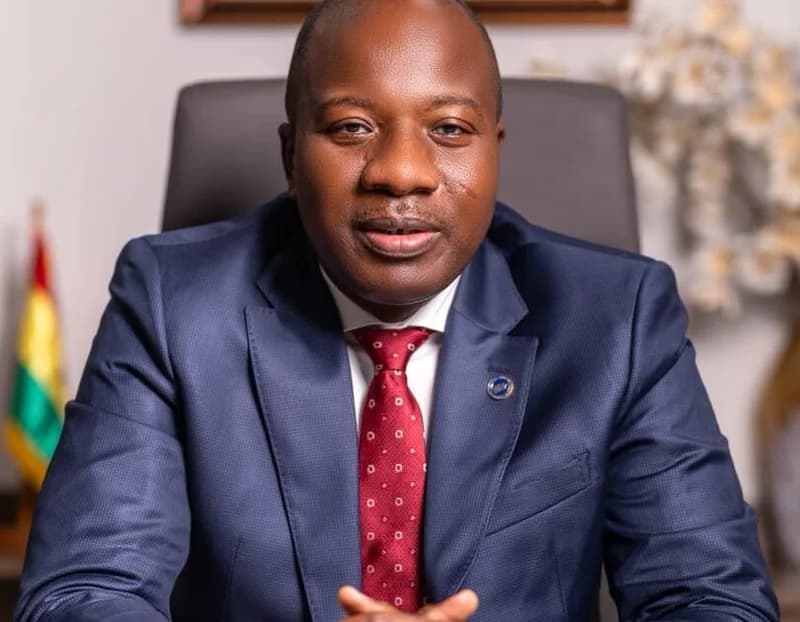
The Minister of Local Government, Chieftaincy and Religious Affairs, Mahama Ayariga, has announced two major infrastructure initiatives aimed at revitalizing Ghana’s urban centers and local economies. Foremost among these is the immediate resumption of work on Phase Two of the Kumasi Central Market (Kejetia Market) project, which has been stalled for the past two years. In a parallel effort to enhance urban aesthetics and infrastructure, Ayariga also unveiled a new partnership model under the direction of President John Mahama, inviting corporate organizations to take responsibility for the cleaning, greening, and lighting of major city streets across Ghana's capital cities.
The continuation of the Kejetia Market project follows successful negotiations with contractors and formal approval from Finance Minister Dr. Cassiel Ato Baah Forson. The Finance Ministry has authorized the use of proceeds from both the first and second phases to facilitate the transition into Phase Three development. Currently, Phase Two remains approximately 60% incomplete, but Ayariga assured residents that contractors would return to the site shortly to finalize the modern market systems. This redevelopment is central to the government’s new "District Economy Markets" model, which seeks to integrate local economic growth directly into district planning, with a specific focus on improving the welfare and trading conditions for women.
Complementing the market expansion is the corporate street maintenance initiative, which leverages private sector resources to maintain Ghana’s urban thoroughfares. Under this program, financial institutions and other corporate entities will be assigned specific streets for redevelopment and upkeep. In exchange for their investment, these companies will be granted naming rights and advertising opportunities on the routes they maintain; for example, Access Bank is expected to enhance the Obasanjo Highway. Ayariga noted that this collaborative framework aims to ensure every neighborhood benefits from adequate drainage, paved routes, and reliable street lighting, ultimately boosting property values and urban living standards.
To ensure the long-term success and accountability of these projects, the Ministry plans to appoint Regional Economists to guide economic strategies for local authorities. Additionally, a specialized committee will review contractor performance to prevent future delays similar to those experienced in Kumasi. As President John Mahama prepares to release further details on the nationwide street maintenance rollout, the Ministry remains focused on a broader commitment to market development across the country, viewing these infrastructure projects as essential drivers for national economic stability and community empowerment.
Related topic
John Mahama: Latest News & Updates →

