••
Zimbabwe and Zambia farmers adopt agroecology to fight El Nino drought
•2 min read•1 source
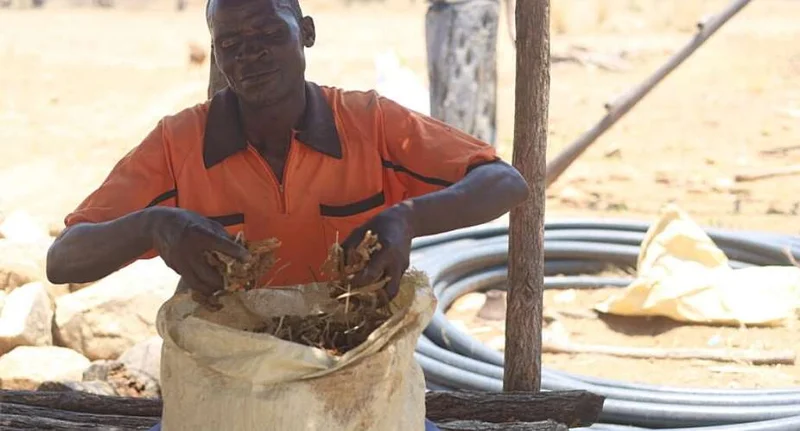
Farmers across Zimbabwe and Zambia are increasingly turning to agroecology to safeguard their livelihoods against the worsening effects of climate change. As a powerful El Nino pattern threatens the region with severe drought, agricultural communities are shifting away from industrial methods in favor of sustainable practices. These techniques, which include zero tillage and intercropping, are designed to enhance soil health and maximize water retention in anticipation of the coming dry spell.
The adoption of these methods is supported by a recent report from ActionAid, which indicates that agroecological systems often yield better results than industrial agriculture during periods of environmental stress. By utilizing drought-resistant crops and maintaining ground cover through zero tillage, farmers are able to protect their topsoil from erosion while ensuring that limited moisture remains available for plants. For many, these practices represent a return to traditional wisdom bolstered by modern ecological science, providing a more resilient alternative to chemical-intensive farming.
Local farmers such as Matsapa and Nswau Kufanga have already reported significant successes with these methods. Kufanga highlighted how water conservation practices have stabilized crop yields even as weather patterns become more unpredictable. Encouraged by these results, local agriculture authorities in both countries are now advocating for the formal integration of agroecology into national agricultural policies. This shift is seen as essential for ensuring long-term food security in Southern Africa as the region faces more frequent and intense climate-related challenges.

