••
Ghana implements Sustainable Ocean Plan to protect 30% of population
•2 min read•1 source
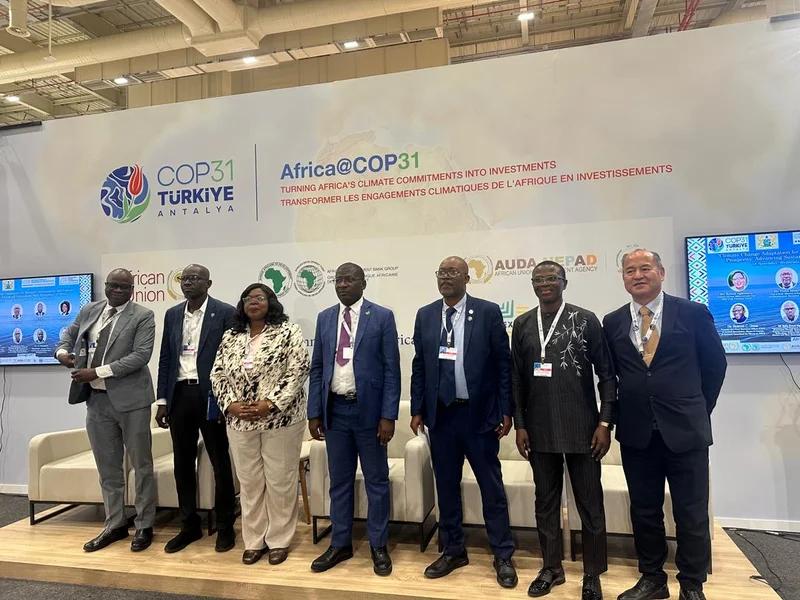
Ghana has commenced the implementation of its Sustainable Ocean Plan and National Blue Economy Policy to address the escalating threats posed by climate change to its coastal regions. These initiatives are designed to protect approximately 30% of the country’s population residing along the coastline, where rising sea levels, coastal erosion, and frequent flooding increasingly jeopardize homes and livelihoods. By formalizing these policies, the government aims to create a resilient framework that balances economic growth with environmental preservation.
Speaking at a COP31 roundtable, environmental experts and policymakers highlighted the critical vulnerability of fishing communities, which provide livelihoods for 10% of Ghana's workforce. The urgency of these measures is underscored by the vast economic potential of the blue economy, which is estimated to be worth over $400 billion annually across the African continent. The roundtable participants emphasized that the long-term sustainability of this sector is directly linked to the stability and safety of the people living at the water's edge, rather than just industrial output.
To bolster coastal resilience, the strategy involves exploring innovative financing mechanisms, such as blue bonds, to fund sustainable practices and infrastructure development. Experts at the forum stressed that while physical barriers and sea defense walls are necessary components of protection, a truly integrated approach must also focus on the socio-economic well-being of coastal families. This includes recognizing the value of marine ecosystems and ensuring that local communities are active participants in the management of ocean resources.
The implementation of these policies marks a significant step in Ghana’s broader climate adaptation strategy. By prioritizing the protection of its 550-kilometer coastline, the government seeks to ensure that the blue economy remains a viable driver of national development. As climate threats intensify, the success of the Sustainable Ocean Plan will be measured by its ability to safeguard millions of citizens from displacement while maintaining the ecological integrity of the Gulf of Guinea.

