••
Karamoja region faces food crisis as drought limits families to one meal
•2 min read•1 source
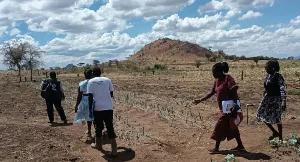
Residents in northern Uganda’s Karamoja region are facing a worsening food security crisis following a persistent drought that has plagued the area since April. The lack of rainfall has devastated local agricultural production, forcing many households to reduce their food intake significantly to survive. With the primary source of sustenance for these communities being subsistence farming, the failure of the rains has left many families without any harvest to rely on for the coming months.
The severity of the situation is exemplified by residents such as Elijah Lobur, who reports that his family has been forced to subsist on just one meal per day. This drastic reduction in food consumption is a direct consequence of the total crop failure across the region. As local granaries remain empty, the vulnerability of the population increases, particularly for children and the elderly who are most at risk during periods of acute food shortage.
Economic factors have further exacerbated the crisis, as food prices have skyrocketed in local markets. Commodities transported from more fertile parts of Uganda have become increasingly unaffordable for the residents of Karamoja, who have lost their primary means of trade and income due to the drought. This localized disaster highlights the broader challenges regarding climate resilience and the ongoing international debate over whether Africa requires additional climate funding or better utilization of existing financial pledges to manage such environmental shocks.
As the dry spell persists, there are growing concerns about the long-term implications for the region’s stability and health. Without immediate intervention or a change in weather patterns, the risk of widespread malnutrition and displacement remains high. The situation in Karamoja serves as a stark reminder of the urgent need for improved irrigation infrastructure and climate-smart agricultural practices to protect vulnerable communities from the increasingly unpredictable cycles of drought in East Africa.

