••
World Resources Institute introduces Restoration Artists Network in Accra
•2 min read•1 source
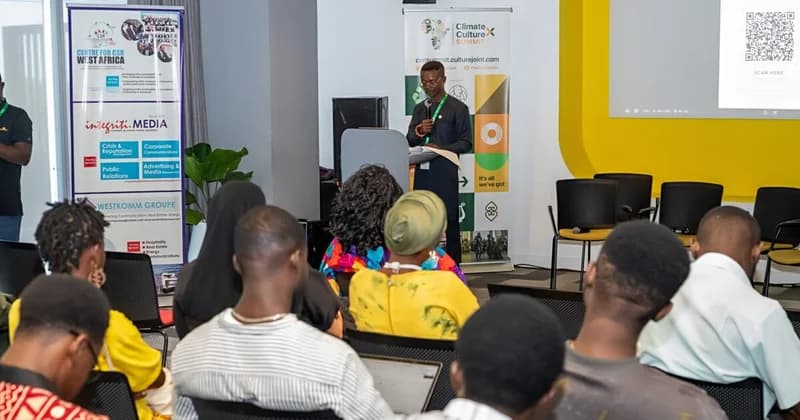
The World Resources Institute (WRI) has called for a shift in ecological restoration strategies, emphasizing that art and culture are vital tools for engaging local communities. Speaking at the Climate x Culture Summit in Accra on October 22, 2026, Eric Lartey, WRI’s Landscape Restoration Manager for the Ghana Cocoa Belt, argued that cultural elements such as music, festivals, and traditional storytelling can bridge the gap between technical environmental science and grassroots action. He noted that integrating these elements helps to strengthen community ties to land and biodiversity, ensuring that restoration projects are not viewed as external impositions but as locally owned initiatives.
Central to this strategy is the introduction of the Restoration Artists Network (RAN), a global initiative that Lartey presented during the summit. RAN aims to mobilize the creative sector to communicate complex ecological concepts and traditional knowledge in ways that are accessible and relatable to local populations. Lartey highlighted a successful pilot collaboration where Ghanaian and American artists worked together to produce six songs rooted in local traditions. This creative output serves as a medium to translate ecological data into cultural narratives that resonate with the people who live on and manage the land.
Lartey concluded by stressing that while scientific research and investment are indispensable, they must be balanced with cultural engagement. For restoration efforts to be truly sustainable, he asserted they must be locally led and culturally informed. By involving artists and cultural leaders, WRI hopes to foster a more inclusive approach to climate action and sustainable development. The summit brought together a diverse group of stakeholders, all focused on how creativity can be harnessed to drive environmental resilience across Ghana’s diverse landscapes.

