••
Paga selected as Africa's first pilot for Jamaican tourism initiative
•2 min read•1 source
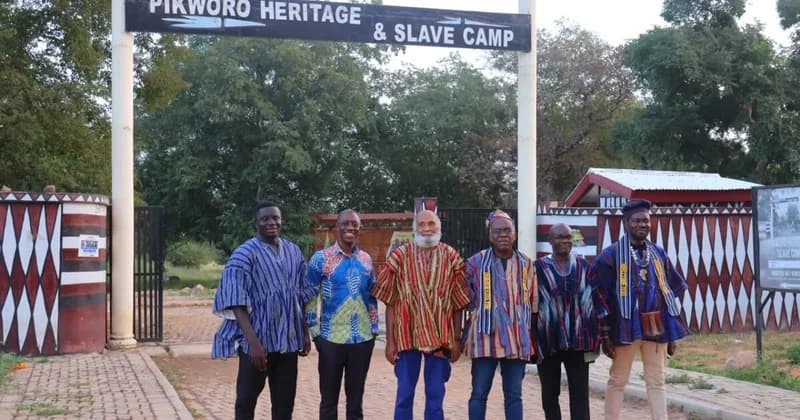
Paga, a prominent town in the Upper East Region of Ghana, has been officially launched as the inaugural African pilot site for the Jamaican Royal Community Tourism Development Program. This landmark initiative, which commenced on October 20, 2026, is designed to convert local communities into vibrant heritage-based business hubs. By focusing on the unique cultural landscape of Paga, the program aims to create sustainable economic opportunities for residents while fostering a deeper connection between Ghana and the global African diaspora. The project introduces several innovative frameworks, most notably the 'Know Thyself Africa-Caribbean Initiative.' This component is specifically tailored to facilitate cultural exchanges and provide a platform for members of the Caribbean community to engage directly with West African history and traditions. Central to this effort is the establishment of identity centers, which will serve as curated spaces for showcasing Paga’s heritage, historical sites, and local customs to both domestic and international tourists. Successful implementation of the program relies on a collaborative approach involving the Ghana Tourism Authority and local traditional authorities. These stakeholders are working together to ensure that the initiative aligns with national tourism goals while respecting the cultural integrity of the Paga community. The project is expected to empower local entrepreneurs by providing them with the tools and visibility needed to thrive in a heritage-driven market, thereby reducing economic dependency on traditional sectors. As the program moves into its next phase, a high-level delegation from Jamaica is slated to visit Ghana in 2027. This visit is intended to strengthen the burgeoning business and cultural ties established during the pilot's launch. By demonstrating the viability of this model in Paga, organizers hope to create a blueprint for similar community-led tourism initiatives across the African continent, ultimately bridging the geographic gap between Africa and its diaspora through shared heritage and commerce.

