••
Richard Munang urges shift to human-centered climate adaptation metrics
•2 min read•1 source
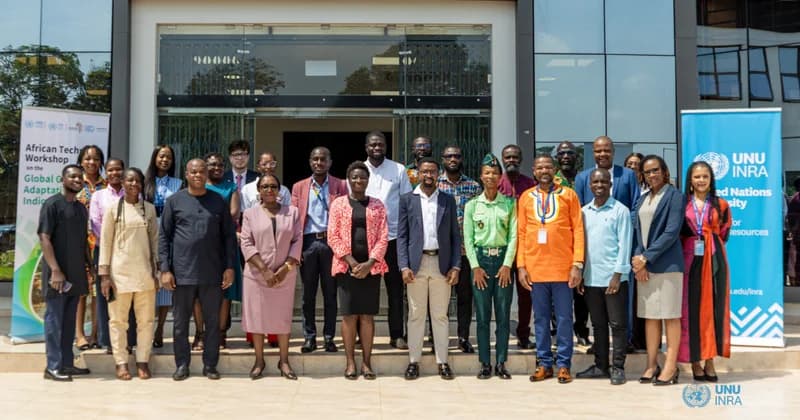
Dr. Richard Munang, representing the United Nations University Institute for Natural Resources in Africa (UNU-INRA), has called for a fundamental shift in how climate adaptation progress is measured across the continent. Speaking at the African Technical Workshop on the Global Goal on Adaptation (GGA) Indicators in Accra, held from October 22 to 24, 2026, Dr. Munang emphasized that the success of climate initiatives should be judged by their tangible impact on human lives rather than the total amount of financial investment.
The workshop brought together a diverse group of climate negotiators and health representatives to refine the indicators used to track resilience. Dr. Munang argued that while financial metrics are a common focus of international reporting, they often fail to capture whether communities are actually becoming safer or more sustainable. He stressed that the primary objective of adaptation must be the reduction of vulnerability, ensuring that climate policies result in meaningful improvements for populations facing the brunt of environmental changes.
A central focus of the discussions was the alignment of Ghana’s National Adaptation Plan (NAP) with global standards. Participants identified critical data gaps that hinder the ability of policymakers to track progress effectively. Specifically, the workshop highlighted the health risks posed by climate-damaged infrastructure, noting that without robust evidence and data, it is difficult to design interventions that protect public health and enhance local adaptive capacity.
The outcomes of the Accra meeting are intended to bolster Africa’s position in international climate diplomacy, particularly as nations prepare for the upcoming COP31 and COP32 summits. By establishing indicators that reflect national priorities and human outcomes, African leaders hope to ensure that global climate action is more responsive to the continent's specific needs and provides a clearer picture of how adaptation efforts are saving lives.

