••
WHO Reports Encouraging Progress in DR Congo Ebola Response Despite North Kivu Surge
•2 min read•3 sources
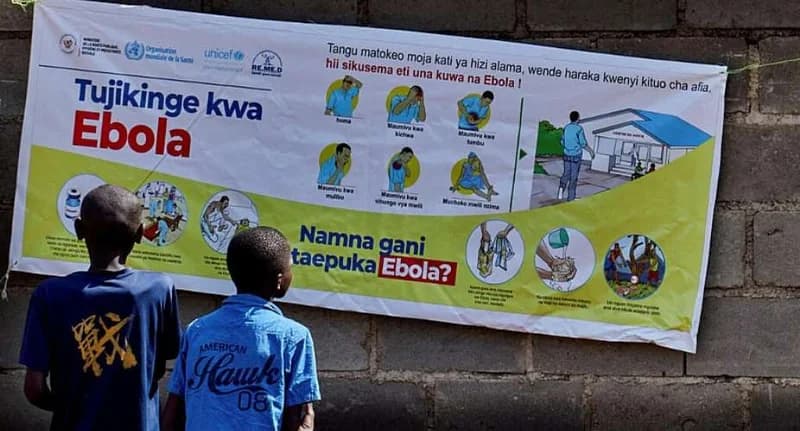
The World Health Organization (WHO) has reported cautious optimism regarding the containment of the ongoing Ebola epidemic in the Democratic Republic of Congo (DRC), noting "encouraging signs" of improvement in some regions. Since the outbreak was first declared on May 15, the country has recorded a staggering 7,258 confirmed cases and 3,510 deaths. While the situation remains critical, Health Minister Samuel Kamba noted a recent decline in daily infections, with figures dropping from approximately 120 to nearly 80 cases per day. However, WHO Director-General Tedros Adhanom Ghebreyesus and other health officials warn that the crisis is far from over, as the virus has recently expanded to a seventh province.
The progress is most visible in the hardest-hit Ituri province, where transmission rates are finally beginning to slow. In contrast, the North Kivu region continues to face significant challenges, with case numbers reportedly experiencing exponential spread. The disparity between these regions highlights the volatile nature of the outbreak, which is exacerbated by high population mobility. Health experts remain hesitant to declare that the epidemic has peaked, emphasizing that the risk of further geographical spread remains a constant threat to the region's stability. To bridge the gap in the current response, officials estimate that an additional 5,000 healthcare workers are needed on the ground.
Vaccination and medical research have become central pillars of the containment strategy. Over 3,000 healthcare workers have already been inoculated using Merck’s Ervebo vaccine, and observational studies to assess its long-term effectiveness are slated to begin soon. Furthermore, increased community engagement has allowed medical teams to ramp up trials for new treatments and vaccine candidates, including those specifically targeting the Bundibugyo strain of the Ebola virus. These scientific advancements are seen as vital tools for managing not only the current crisis but also future outbreaks in the region.
Moving forward, the WHO and DRC health authorities are calling for sustained international funding and a continued focus on field operations to prevent a resurgence of the virus. While the 1,726 recorded recoveries offer a glimmer of hope, the path to a completely Ebola-free DRC remains fraught with logistical and security hurdles. The focus in the coming weeks will be on stabilizing the situation in North Kivu while maintaining the hard-won gains in Ituri province to ensure the epidemic does not regain its previous momentum.
