••
UNICEF supports 12 nurseries for Ebola orphans in DR Congo
•2 min read•1 source
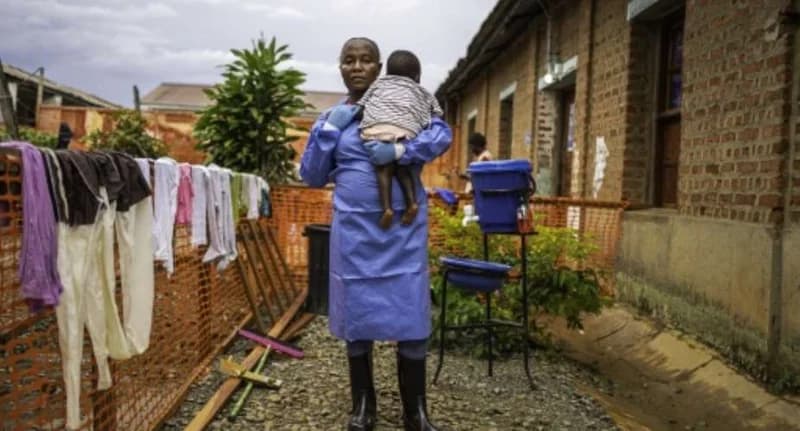
UNICEF-supported emergency nurseries in the Democratic Republic of Congo (DRC) are currently providing vital care for hundreds of children orphaned by the nation’s deadliest Ebola outbreak on record. With more than 9,700 infections and approximately 4,700 deaths reported, the epidemic has devastated families across the country. In response, twelve specialized facilities have been established to provide a safe haven for infants and children who have lost their primary caregivers to the virus, ensuring they receive medical supervision and nutritional support during a critical observation phase.
A primary hub for this humanitarian effort is located in Mongbwalu, a town at the heart of the crisis. At these nurseries, specialized caregiving staff monitor the children for a 21-day period—the maximum incubation time for the Ebola virus—to ensure they do not develop symptoms and potentially spread the infection further. The environment is designed to offer stability for children who are often severely traumatized by the sudden loss of their parents. Many of these children arrived at the centers with little to no documentation, as the rapid spread of the virus frequently claimed entire households before health officials could confirm personal details.
The mission to reunite these orphans with their extended families is fraught with logistical and safety difficulties. While caregivers work to identify surviving relatives, ongoing security instability in the region and significant resource shortages have hampered tracing efforts. In many cases, the identities of the children remain unknown because their parents were infected and died in transit or in areas where medical records were non-existent. International health authorities and non-governmental organizations are prioritizing the search for kin to ensure these children have a permanent family structure once their observation period is complete.
This current outbreak has surpassed all previous records in the DRC, exacerbated by civil unrest and a lack of medical infrastructure in affected regions. Aid agencies emphasize that the nurseries serve as a critical stopgap to prevent further transmission among the most vulnerable survivors while providing immediate psychological relief. As the health crisis persists, international focus remains on containment and the strengthening of social safety nets required to support the generation of children left behind by the epidemic.
