••
US government requires Ebola attestations for travelers from DR Congo
•2 min read•1 source
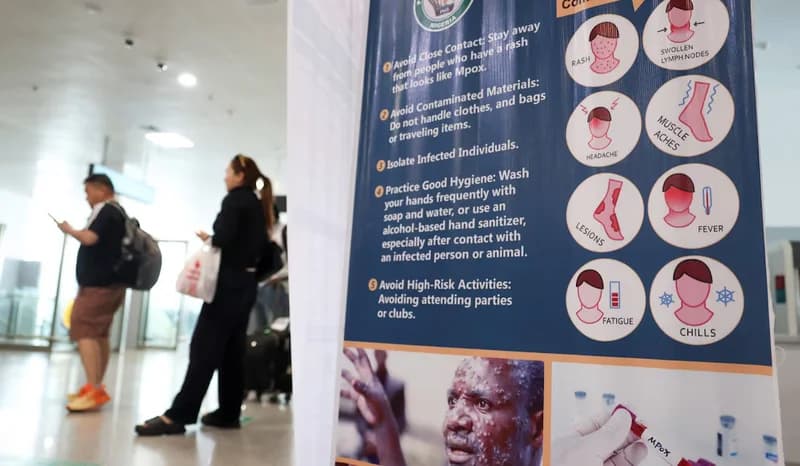
The United States government has announced new measures to prevent the entry of Ebola, requiring all US-bound air travelers to provide formal declarations regarding their recent travel history. Starting November 3, passengers must attest that they have not visited the Democratic Republic of Congo (DRC) within the preceding 21 days. This directive from the Centers for Disease Control and Prevention (CDC) aims to fortify the country's border health security amidst an ongoing outbreak in Africa.
Under the new CDC order, airline passengers will be required to submit their declarations in either digital or paper format. This policy applies to all travelers arriving in the United States by air, regardless of their original point of departure. The requirement for a 21-day look-back period corresponds with the maximum incubation period of the Ebola virus, ensuring that any potential exposure during travel to the DRC is accounted for before entry. Airlines are currently being briefed on compliance procedures to ensure the new mandate is integrated into their boarding protocols.
These updated screening protocols follow more restrictive measures that previously barred entry to individuals who had visited the DRC in the three weeks prior to their arrival. While the current outbreak in Africa has claimed approximately 4,700 lives, the United States has not reported any cases of the virus during this period. The new attestation system is designed to provide a layer of verification and health surveillance without the need for total travel bans.
The shift toward mandatory attestations represents a targeted effort to manage public health risks while maintaining international travel connections. By placing the burden of declaration on the passenger and the responsibility for verification on airlines, health authorities intend to maintain a rigorous screening net at ports of entry. As the November 3 deadline approaches, the CDC continues to monitor the situation in the DRC to determine if further adjustments to travel protocols will be necessary to safeguard the public.
