••
UK-Ghana Trade Summit 2026: New Resource Centre Launched as Experts Call for Private Sector-Led Growth
•3 min read•3 sources
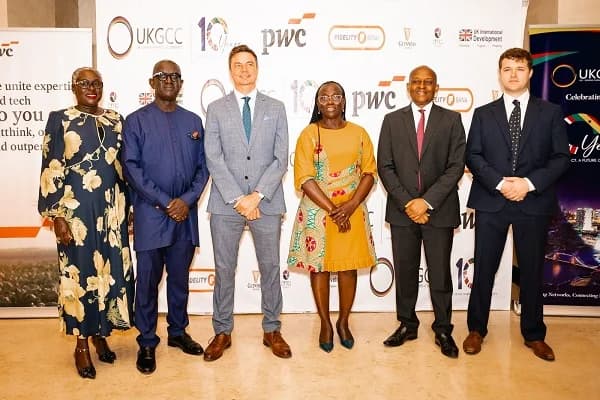
The UK-Ghana Trade & Investment Summit 2026 in Accra has marked a significant milestone in bilateral relations with the launch of the UK-Ghana Trade Resource Centre and urgent calls for a shift toward private-sector-led growth. With bilateral trade already exceeding £1.6 billion, the summit brought together financial leaders, industry experts, and policymakers to discuss strategies for deepening commercial ties. The event highlighted Ghana's evolving economic landscape, which experts described as being at a critical "inflection point" requiring new strategies to maintain momentum.
A central highlight of the summit was the unveiling of the UK-Ghana Trade Resource Centre, an initiative by the UK-Ghana Chamber of Commerce in collaboration with the UK-Ghana Jobs and Economic Transformation Programme. This platform is designed to bridge information gaps that often hinder cross-border commerce. By offering market intelligence, export navigation guidance, and support for firms under the UK-Ghana Trade Partnership Agreement, the centre aims to empower both Ghanaian exporters and UK importers to maximize the opportunities within the existing trade framework and strengthen institutional relationships.
Representing the financial sector, GCB Bank—Ghana’s largest indigenous lender—reaffirmed its role as a primary facilitator of regional trade. Linus Kumi, Executive Head of Corporate Banking at GCB, emphasized that while Ghana serves as a vital gateway to African markets, businesses still face significant hurdles. He specifically identified limited access to working capital and inefficiencies in payment systems as major barriers. Kumi highlighted GCB’s commitment to providing tailored financing solutions to overcome these challenges, noting that enhanced trade connectivity is essential for unlocking broader African growth.
The summit also featured strategic analysis from Vish Ashiagbor, the outgoing Country Senior Partner at PwC Ghana, who argued that the economy has reached a juncture where growth must be driven by operational efficiency rather than government spending. Ashiagbor urged businesses to reassess their strategies and explore new markets to adapt to the changing landscape. Amidst these calls for efficiency, there are expectations for the Bank of Ghana to maintain its current policy rate to mitigate emerging economic risks and provide a stable environment for private-sector participation.
As the summit concluded, the consensus among participants was that the future of UK-Ghana relations hinges on a more interconnected and efficient commercial ecosystem. The combination of GCB's financial backing, the Resource Centre’s market intelligence, and the strategic push for private-sector efficiency suggests a transition toward a more sophisticated trade environment. These developments are expected to solidify Ghana's position as a regional hub and ensure that the current £1.6 billion trade volume serves as a foundation for even more robust economic cooperation.
Live rates
Bank of Ghana policy rate →

