••
Accra Hosts Strategic Trade Forums as Ghana Positions Eastern Region as Export Hub
•2 min read•11 sources
Ghana is intensifying its efforts to become a leading industrial and trade hub in West Africa, highlighted by the launch of new trade infrastructure and the hosting of major international investment forums. The UK-Ghana Chamber of Commerce, in partnership with the UK-Ghana Jobs and Economic Transformation Programme, recently unveiled the UK-Ghana Trade Resource Centre. Launched during the 2026 UK-Ghana Trade and Investment Summit, this platform is designed to bridge information gaps and provide market intelligence for businesses navigating the UK-Ghana Trade Partnership Agreement. By streamlining export navigation and fostering institutional collaboration, the centre aims to significantly enhance bilateral trade volumes between the two nations.
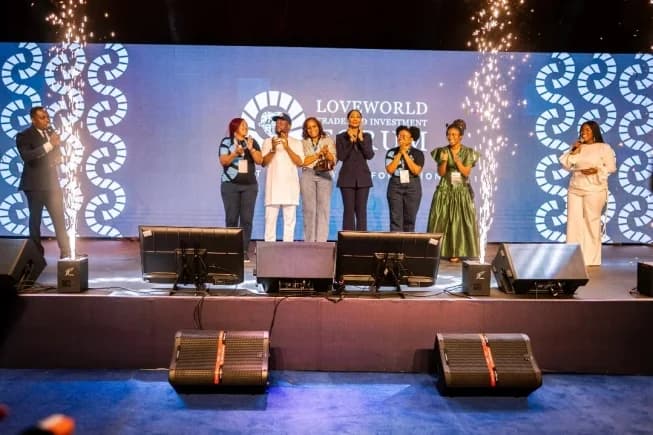
Concurrent with these bilateral efforts, Accra is playing host to the second edition of the Loveworld Trade & Investment Forum (LTIF) from October 6–7, 2026. Held at the University of Professional Studies, the forum brings together approximately 2,500 entrepreneurs, policymakers, and investors from across the ECOWAS region. Building on its inaugural success in Lagos, the 2026 edition focuses on "Production, Trade, Trust, and Innovation." Participants are addressing the practical challenges of cross-border expansion, including production standards, financial hurdles, and the logistical complexities of the African Continental Free Trade Area (AfCFTA).
Domestically, the government is leveraging its "24-Hour Economy" initiative to transform regional productivity. Goosie Augustus Obuadum Tanoh, the Presidential Adviser on the 24-Hour Economy and Accelerated Export Development, announced that the Eastern Region is being positioned as the anchor for Ghana’s "second wave" of industrialisation. The strategy seeks to shift the national economic focus from raw material exports to the manufacturing of finished goods for both domestic and regional markets. This vision was recently showcased at the week-long 2026 Eastern Regional Expo, which concluded on October 3, highlighting local innovations and investment opportunities that align with the broader industrial agenda.
This drive toward industrialisation is mirrored by an emerging continental trend toward personal investment and ownership. The Dangote IPO, the largest retail share initiative in African history, has sparked a significant shift in ownership culture. By setting a low entry barrier at ₦525 per share, the offer aims to attract 10 million investors, transitioning Africans from passive consumers to engaged shareholders. Financial experts suggest this growing consciousness—where local savings finance local businesses—not only fosters greater corporate accountability and financial literacy but also provides the capital necessary to sustain the industrial hubs currently being developed across Ghana and the wider continent.

