••
Telecel Unveils Digital Marketplace as Japan Motors Introduces Geely EVs and Kente Advocates Call for Industrial Investment
•3 min read•5 sources
Ghana’s commercial sector is undergoing a multi-faceted transformation, marked by the launch of new digital marketplaces, the introduction of electrified transport solutions, and growing calls for industrializing traditional crafts. Telecel Cash has officially entered the e-commerce space with the launch of "Telecel Shop," an integrated platform within the Telecel Play App designed to connect consumers with a network of trusted merchants. Simultaneously, Japan Motors Trading Company Ltd has expanded Ghana’s automotive options by unveiling Geely’s new electrified vehicle range, signaling a shift toward sustainable, high-tech mobility in the local market.
The launch of Telecel Shop, developed in partnership with Flood Pte Ltd, aims to position the Telecel Play App as a primary digital hub for Ghanaian consumers. The platform offers diverse fulfillment options, including home delivery and in-store pickup, while empowering small and medium enterprises (SMEs) through the Telecel MerchantPro App. This move coincides with global shifts toward "agentic commerce," where AI agents are increasingly expected to handle autonomous purchasing and negotiating tasks. Experts predict that such AI-driven mediation could represent trillions of dollars in global consumer commerce by 2030, making Telecel’s move into a unified digital ecosystem a strategic step toward capturing future consumer behaviors.
In the automotive sector, Japan Motors’ introduction of the Geely Galaxy range—including the all-electric EX5 SUV, the EX5 EM-i plug-in hybrid, and the compact EX2—brings advanced driver-assistance systems and ultra-fast DC charging to the Ghanaian market. Managing Director Amine Kabbara emphasized that these vehicles are tailored for real-world needs, supported by an 8-year or 200,000 km warranty. This investment in electrified mobility mirrors broader industrial advocacy seen in the cultural sector, where Kente Ambassador Amma Prempeh is urging the government and private investors to capitalize on the rising global demand for Ghanaian Kente. Prempeh argues that current production capacity in Bonwire must be scaled through the establishment of local yarn manufacturing and digital certification systems to protect the authenticity of the iconic cloth.
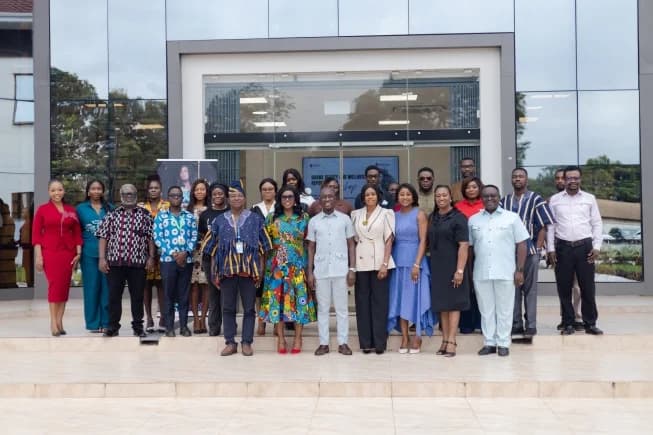
Finally, efforts to formalize and provide data for Ghana’s emerging industries are gaining momentum. Makeup Ghana, in collaboration with the University of Ghana’s College of Humanities, recently initiated a technical workshop to develop the inaugural Ghana Beauty and Wellness Report. Led by CEO Rebecca Donkor and Professor Sheena Lovia Boateng, the project aims to provide evidence-based insights into the industry's economic contributions and workforce challenges. Together, these developments in digital trade, sustainable transport, cultural manufacturing, and industry research suggest a maturing business environment focused on building infrastructure and data-driven global competitiveness.

