••
Executive Women Network Launches 'EWN 2.0' at 10th Anniversary Conference with Support from Telecel Ghana
•2 min read•2 sources
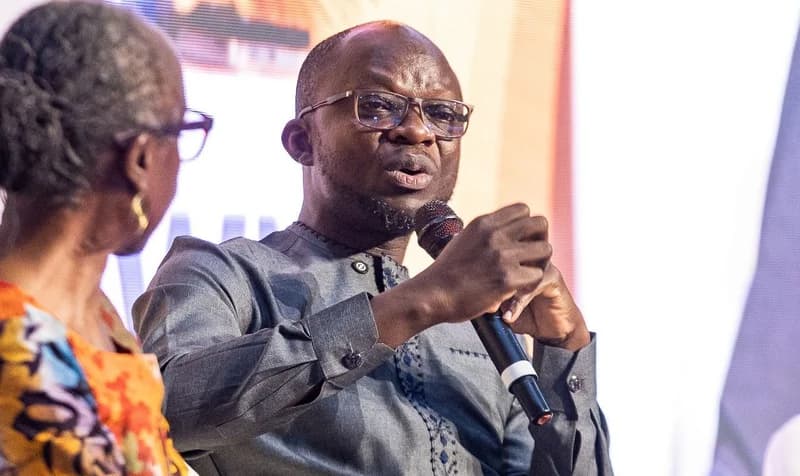
The Executive Women Network (EWN) has marked a decade of advancing female leadership in Ghana with a landmark 10th-anniversary Conference and Expo in Accra. Under the theme "A Decade of Leadership, A Future Toward Holistic Impact," the event brought together influential leaders and stakeholders to reflect on the progress of women in the professional sphere over the last ten years. A key highlight of the celebration was the unveiling of "EWN 2.0," a strategic evolution of the network that includes the launch of four flagship initiatives specifically designed to drive gender parity and enhance leadership and entrepreneurship opportunities for women across the country. During the conference, industry leaders emphasized the transition from individual successes to systemic, institutional change. Komla Buami, the External Affairs Director of Telecel Ghana, delivered a strong message on the importance of embedding gender inclusion into the core of organizational systems. He argued that relying on individual effort is insufficient for long-term progress; instead, institutions must create sustainable pathways for advancement. Buami showcased Telecel’s commitment to this cause through its Female Engineering Student Scholarship Programme, which provides direct support to women entering technical fields, ensuring they have the foundational resources to move into leadership roles. The event also underscored the critical role of mentorship and sponsorship in shaping the future of Ghana’s business landscape. Speakers at the conference urged established women leaders to actively contribute to the growth of others by providing guidance and opening doors to new opportunities. The "EWN 2.0" framework is expected to formalize these mentorship efforts, creating a more robust ecosystem where aspiring female leaders can benefit from the collective experience and influence of the network’s members. This focus on collaboration is seen as essential for achieving holistic impact in both the corporate and entrepreneurial sectors. As the Executive Women Network embarks on its second decade, the focus remains on ensuring that women can thrive in leadership roles through sustained action and institutional backing. The conference concluded with a call for continued partnership between NGOs like EWN and corporate entities like Telecel Ghana to dismantle systemic barriers. By focusing on targeted programs and institutionalized inclusion, the network aims to move beyond mere representation and toward a future where gender parity is a fundamental component of Ghana’s economic and social development.
