••
African Regional Developments: Swiftair Convicted for 2014 Mali Crash, Sudan Rejects US-Led Truce, and Embalo Plans Guinea-Bissau Return
•2 min read•3 sources
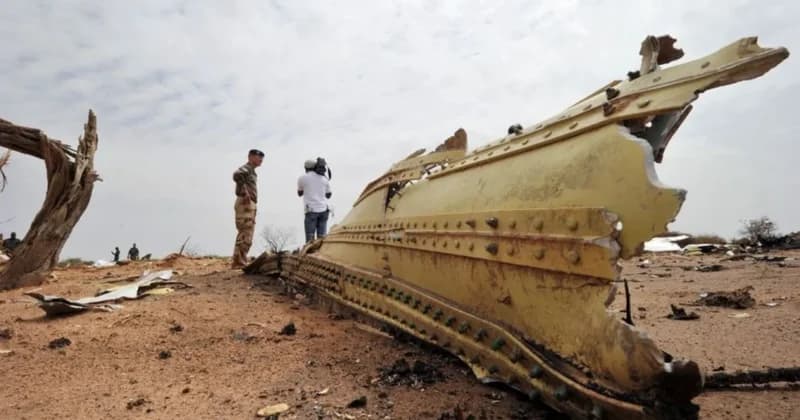
Significant legal and political developments have unfolded across the African continent, ranging from a landmark judicial ruling in Europe to deepening conflicts and political shifts in the Horn and West Africa. In a long-awaited decision, a Paris court found the Spanish airline Swiftair guilty of involuntary manslaughter regarding the 2014 Air Algérie crash in Mali, which claimed 116 lives. The court imposed a fine of ‐225,000 ($256,000), citing the airline's negligence in pilot training as a contributing factor to the disaster. Relatives of the victims, many of whom were Burkinabe and French nationals, expressed relief after a twelve-year wait for justice, though the airline has announced intentions to appeal the verdict.
In East Africa, the conflict in Sudan continues to escalate as General Abdel Fattah al-Burhan rejected a U.S.-backed proposal for a three-month truce with the Rapid Support Forces (RSF). Burhan maintains that his forces can achieve a decisive military victory and expressed concern that a temporary ceasefire would merely allow the RSF to regroup. This rejection comes amid ongoing drone strikes in Wad Madani and Nyala, further exacerbating a dire humanitarian crisis. Analysts suggest that while U.S. pressure has somewhat alienated the Sudanese military leadership, Washington remains committed to the region as part of a broader strategy to counter growing Russian influence.
Meanwhile, in Guinea-Bissau, the political landscape is bracing for the return of ousted former President Umaro Sissoco Embalo. Following his exile after a military coup in November led by General Horta N’Tam, Embalo has declared his intention to run in the upcoming presidential election scheduled for December 6. The military junta initially seized power claiming to have thwarted a destabilization plot, but observers remain skeptical, suggesting the coup may have been a maneuver to halt an unfavorable electoral process. With tensions high and opposition groups advocating for a boycott, the nation faces a volatile path toward the polls.
These events underscore the complex interplay of international law, regional security, and democratic stability across Africa. While the Swiftair verdict provides a sense of closure for families of a past tragedy, the situations in Sudan and Guinea-Bissau highlight the persistent challenges of military intervention and the difficulties of brokering peace in deeply divided nations. As the December elections in Guinea-Bissau approach and the war in Sudan persists, the international community continues to navigate these evolving crises with varied success.


