••
Amnesty International and Local Medics Report Massive Civilian Casualties in Mali and Ethiopia Conflict Zones
•2 min read•2 sources
Recent reports from East and West Africa highlight a devastating surge in civilian casualties as internal conflicts intensify across the continent. In Ethiopia’s Tigray region, at least 52 civilians were killed during three days of heavy fighting in the town of Alamata, while a new report from Amnesty International details the systematic execution and torture of dozens in Mali. These developments underscore a growing humanitarian crisis characterized by state military offensives and the controversial involvement of foreign paramilitary groups, leading to significant displacement and loss of life.
In Mali, the Amnesty International report titled "No One is Spared" documents the killing of at least 34 civilians between June 2023 and December 2025 across the Ségou, Mopti, and Timbuktu regions. The report strongly implicates the Malian military and Russian fighters, formerly associated with the Wagner Group and now operating as Africa Corps. Victims, including many from the Fulani and Tuareg ethnic groups, were reportedly shot while fleeing or following arrests. Beyond extrajudicial killings, the document highlights instances of enforced disappearances, torture, and drone strikes targeting non-combatants. This persistent violence and lack of accountability have forced over 290,000 refugees to flee into neighboring Mauritania.
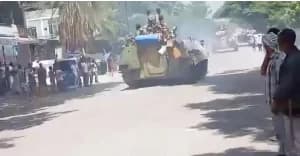
Simultaneously, the conflict in Ethiopia has seen a sharp escalation in the town of Alamata within the Tigray region. Medical sources reported to the BBC that 52 civilians lost their lives as government forces engaged in intense combat to seize control of the area over a 72-hour period. Following the capture of Alamata, visual evidence of military tanks circulating on social media suggests that federal forces may be preparing for a further advance toward Mekelle, the regional capital. This renewed violence threatens the fragile stability of Northern Ethiopia and adds to the mounting toll of civilians caught in the crossfire of state-led territorial disputes.
These reports collectively paint a grim picture of the human rights landscape in conflict-affected African nations. While Amnesty International has submitted its findings to Malian authorities, there has been no official response or indication of investigations into the alleged atrocities. The lack of transparency regarding military operations and the continued use of foreign mercenaries exacerbate the suffering of local populations who have little recourse for justice. As fighting persists in both Ethiopia and Mali, international observers are calling for urgent intervention and greater protection for the hundreds of thousands of people displaced by the ongoing violence.
