••
Stanford University Researchers Engineer Mice with Human Brain Cells to Study Psychiatric Disorders
•3 min read•1 source
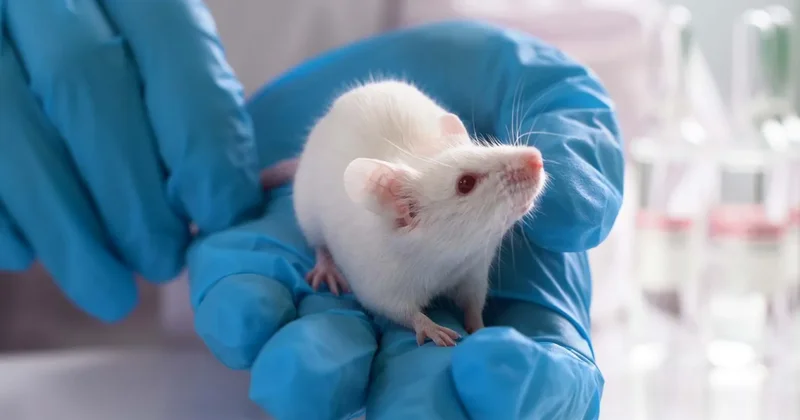
In a significant scientific breakthrough, neuroscientists at Stanford University have successfully integrated human brain cells into the brains of laboratory mice. The study, published in the prestigious journal Nature, was led by Professor Sergiu Pașca and represents a major step forward in the quest to understand complex psychiatric and neurodevelopmental diseases. By transplanting human tissue organoids—clusters of cells grown in a laboratory—into mice, researchers have created a hybrid model that allows for the study of brain disorders in ways that were previously impossible using traditional animal models. This advancement is particularly crucial given the historically low success rate of psychiatric drug clinical trials, which often fail due to the limitations of standard mouse brains in replicating human biology. The research team utilized a sophisticated technique where mice were engineered to lack their own cerebral cortex, providing space for the human organoids to integrate. These transplanted cells did not merely exist within the host; they effectively incorporated into the animal's neural circuitry, exhibiting functions and behaviors typical of native human brain cells. This integration provides a unique window into the cellular interactions that define human brain health and disease, offering a more accurate platform for testing potential pharmacological treatments before they proceed to human trials. Professor Pașca highlighted that this model could unlock new pathways for treating conditions that have long eluded effective medical intervention. However, the development has also reignited significant ethical debates within the global scientific community. The creation of such 'chimeras' raises complex questions regarding the potential for altered animal cognition and the moral implications of humanizing animal brains for research purposes. While the primary goal is to alleviate human suffering through medical discovery, experts are calling for a robust ethical framework to govern the treatment and creation of these genetically modified animals. The debate centers on finding a balance between the undeniable potential for life-saving medical breakthroughs and the ethical boundaries of biological manipulation. Looking ahead, this breakthrough paves the way for more nuanced research into the origins of autism, schizophrenia, and other neurodevelopmental conditions. While limitations remain regarding the overall utility and scalability of these models, the integration of human cells into animal hosts marks a transformative moment in neuroscience. As research continues, the scientific community must navigate the technical and ethical challenges of this new frontier to ensure that advancements in mental health treatment are achieved responsibly and effectively. This study serves as a cornerstone for future investigations that could eventually lead to more personalized and successful psychiatric care.
