••
RNAQ Foundation awards scholarships to 115 Ga-Dangme students
•2 min read•1 source
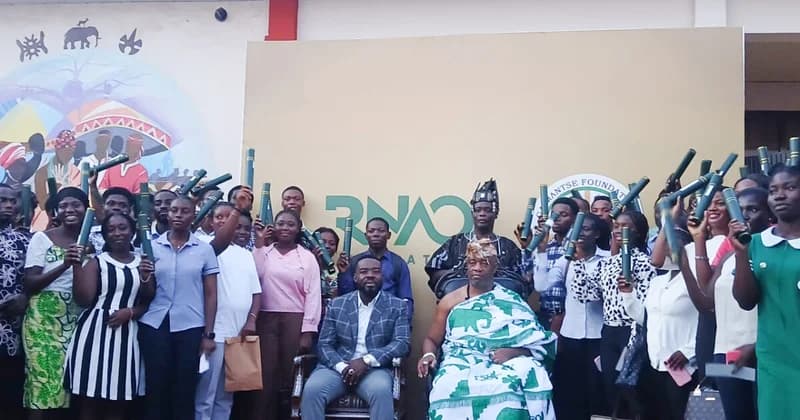
The RNAQ Foundation, in collaboration with the Ga Mantse, King Nii Teiko Tsuru II, has awarded scholarships to 115 Ga-Dangme students to alleviate the financial burdens of higher education. The initiative was officially launched at the Ga Mantse Palace, where the beneficiaries were presented with their awards to encourage the pursuit of academic excellence among the youth. The program is designed to ensure that financial constraints do not prevent talented students from achieving their educational goals, allowing them to focus entirely on their studies.
The selection process for the scholarship was highly competitive, attracting 1,689 applications from students across various tertiary institutions. Out of the 115 beneficiaries selected, approximately 64.3% are First Class honors students, reflecting a commitment to rewarding high academic achievement. Richard Nii Armah Quaye, the founder of the RNAQ Foundation, emphasized the importance of academic diligence and urged the recipients to maintain their high standards as they progress through their respective courses.
Beyond financial assistance, the initiative aims to build a sustainable pipeline for professional development. Mr. Quaye highlighted that employment opportunities within the RNAQ group of companies would be available to graduates who demonstrate exceptional performance. He also encouraged the students to consider future entrepreneurship as a means of contributing to the economic growth of their communities. The foundation’s support is intended to empower the next generation of Ga-Dangme leaders to take charge of their professional destinies.
The Ga Mantse, King Nii Teiko Tsuru II, expressed his support for the initiative, noting that such educational investments are vital for the long-term development of the Ga-Dangme people. By removing the barrier of tuition and related costs, the partnership between the traditional authority and the RNAQ Foundation seeks to create a lasting educational legacy. The beneficiaries have been encouraged to recognize their responsibility to their community and to use their education as a tool for collective progress.


