••
National Road Safety Authority limits TraffiTech use to well-signed roads
•2 min read•1 source
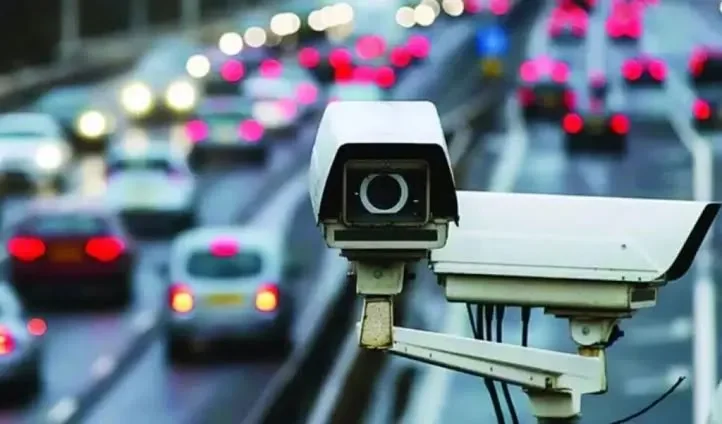
The National Road Safety Authority (NRSA) has announced that the newly introduced TraffiTech automated traffic enforcement system will initially operate only on roads with clear and visible speed-limit signage. This policy aims to ensure that the rollout of the technology is fair and does not penalize motorists for infractions caused by inadequate road infrastructure. By focusing on well-marked routes, the authority intends to build public trust in the system while various road agencies work to address existing gaps in signage across the national network.
The TraffiTech system represents a significant shift in Ghana's approach to road safety, using cameras to monitor and record traffic violations automatically. However, concerns have been raised regarding the current state of road infrastructure, specifically the absence of consistent speed-limit signs and advance warnings for cameras. While the NRSA notes that Ghana's legal framework does not strictly require warning signs before enforcement cameras—unlike practices in countries such as the United Kingdom and Australia—the authority maintains that visible signage is crucial for the system’s primary goal of enhancing safety.
The NRSA has urged road agencies to prioritize the installation and maintenance of physical road signs to complement the digital enforcement technology. The authority emphasizes that the introduction of TraffiTech should serve as a catalyst for overall infrastructure improvements. The focus of the program is to discourage dangerous driving habits and reduce the high rate of road accidents in the country. By ensuring that motorists are clearly informed of the rules of the road before enforcement begins, the NRSA hopes to shift the focus from merely capturing violations to actively fostering a culture of compliance and road safety.


