••
Joshua Jebuntie Zaato warns profit motive could undermine TraffiTech safety
•2 min read•2 sources
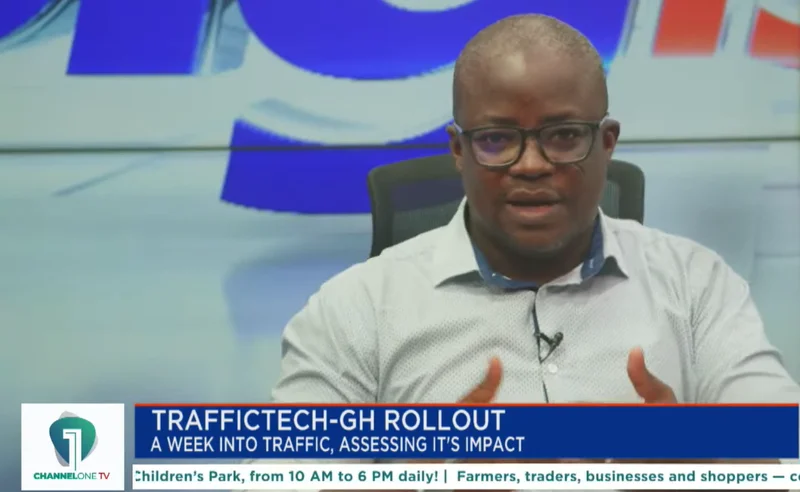
Dr. Joshua Jebuntie Zaato, a Senior Lecturer at the University of Ghana, has raised concerns that the commercial interests of the private operator managing the TraffiTech system could compromise national road safety goals. Speaking on Channel One TV’s "The Big Issue," Dr. Zaato cautioned that the profit-driven nature of the private entity might lead to a focus on revenue generation through fines rather than the primary objective of regulating speed and reducing road accidents.
The TraffiTech initiative is designed to automate the enforcement of traffic regulations, specifically targeting speeding and other road traffic violations across Ghana. While the government intends for the system to enhance public safety and regulate driver behavior, Dr. Zaato argued that the involvement of a private partner introduces a potential conflict of interest. He noted that because private companies are fundamentally driven by profit, there is a risk that the system's success could be measured by the volume of fines collected instead of a tangible decrease in traffic fatalities.
Dr. Zaato emphasized the need for clear safeguards to ensure that public safety remains the paramount priority of the program. He suggested that if the private operator’s remuneration is tied to the number of citations issued, the incentive structure could inadvertently encourage more aggressive enforcement rather than promoting preventive measures. This clash between private commercial goals and the public interest, he warned, could undermine the credibility of the road safety initiative in the eyes of the motoring public.
The lecturer’s comments come as the government continues to roll out technology-based solutions to address the high rate of road accidents in the country. To mitigate these risks, Dr. Zaato called for rigorous oversight and a transparent framework that aligns the operator’s performance metrics with safety outcomes rather than fiscal targets. The debate highlights the ongoing challenge of balancing private sector efficiency with the delivery of essential public safety services.

