••
Nigeria introduces petrol price discounts for public transport
•2 min read•1 source
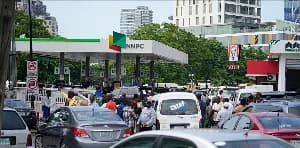
Nigeria's federal government has unveiled a series of measures aimed at cushioning the impact of rising energy costs on the population. Central to these initiatives is the introduction of a petrol price discount specifically targeted at public transport operators. Announced by the Finance Minister, these measures are designed to mitigate significant energy shocks and provide relief to citizens as the nation navigates a period of economic transition.
The intervention arrives at a politically sensitive time as the country, which is Africa's largest oil producer, prepares for upcoming elections. Domestic fuel pricing remains a critical issue for the electorate, as fluctuations in petrol costs directly influence the price of food, services, and general living standards. By subsidizing fuel for transport providers, the government hopes to prevent the inflationary pressures that typically accompany a rise in energy expenses.
Despite its vast crude oil reserves, Nigeria has long faced challenges with domestic refining capacity. The country is home to the Dangote Refinery, the largest refinery on the African continent, which is expected to play a major role in stabilizing the local market. This new discount program represents a targeted fiscal strategy to manage immediate price volatility while the broader energy infrastructure continues to develop.
As the government moves to implement these discounts, questions remain regarding the long-term sustainability of the program and its impact on the national budget. The initiative highlights the administration's efforts to balance fiscal responsibility with the need for social interventions during periods of market instability. Observers will be watching closely to see if these measures successfully ease public concerns and contribute to economic stability in the lead-up to the polls.

