••
North-East Regional Coordinating Council deploys solar-powered water systems
•2 min read•1 source
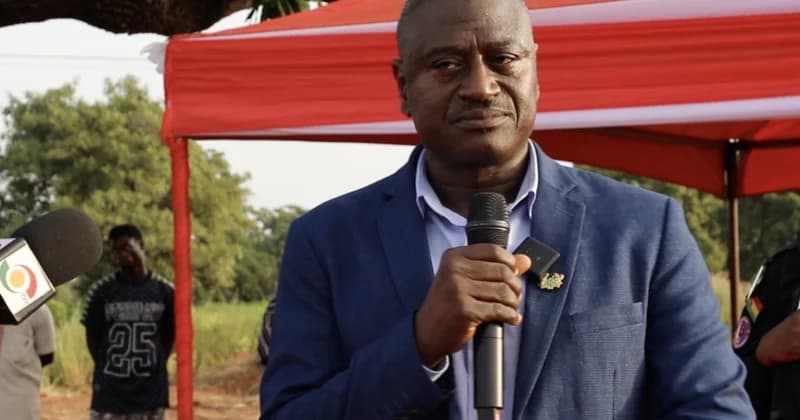
The North-East Regional Coordinating Council (NERCC) has launched a strategic initiative to install solar-powered water systems across the region to combat increasing water scarcity. This move is designed to provide a sustainable alternative to traditional water sources that are currently failing due to the impacts of climate change. Regional Minister Ibrahim Tia stated that these systems will ensure year-round access to water for households, schools, and healthcare institutions, addressing a critical need in communities where rivers are drying up and rainfall has become increasingly unreliable.
A primary focus of the program is the promotion of dry-season farming through the use of groundwater. By pairing boreholes with solar pumping systems, the council aims to provide a cost-effective irrigation solution that avoids the expenses associated with conventional fuel-powered pumps. This infrastructure will allow farmers to cultivate crops during the traditionally lean farming periods, shifting the region away from its total reliance on rain-fed agriculture. Preparatory works for these facilities are already in progress, with the first phase of infrastructure improvements expected to be completed by the end of November.
The initiative is being implemented in close collaboration with district assemblies and various development partners. Minister Tia emphasized that the project is a direct response to the environmental challenges that have contributed to food insecurity and economic volatility in the region. By leveraging sunlight for water extraction, the council hopes to strengthen local resilience and boost the incomes of smallholder farmers. The broader goal of the project is to establish a permanent water supply network that can withstand the long-term effects of changing rainfall patterns while supporting the region's agricultural and domestic needs.

