••
Malawi petrol prices hit record $3.24 per litre amid fuel shortages
•2 min read•1 source
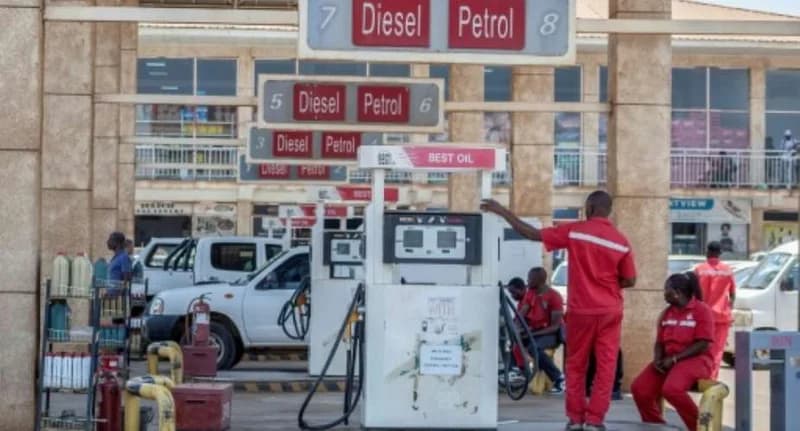
Malawi is grappling with a severe energy crisis as petrol prices have soared to $3.24 per litre, the highest on the African continent and the second-highest globally. In the capital city of Lilongwe, desperate motorists have formed long queues at filling stations following reports of incoming fuel tankers. This surge in costs comes at a time when the nation is already facing a deepening economic downturn, leaving citizens struggling to afford basic transportation and services. The situation has become a focal point of national concern as the government searches for immediate solutions to stabilize the energy sector.
The impact on local livelihoods is profound, particularly for those in the informal transport sector. McDonald Kachule, a motorcycle taxi operator, noted that the time spent queuing for fuel often exceeds the time spent conducting business, severely limiting his daily earnings. The situation is exacerbated by the fact that approximately 76% of Malawians were living below the international poverty line of $3 per day as of 2025. With petrol now costing more than the average daily income for many, the fuel shortage is effectively paralyzing small-scale commerce and mobility across the country.
The Malawian government has attributed the crisis to a critical shortage of foreign currency, which has hindered the nation's ability to import petroleum products. Officials point to rising global prices driven by external conflicts and significant challenges in securing the necessary credit for imports as primary factors. In a bid to stabilize the situation and maintain a steady supply, the government is exploring emergency financial measures, including the potential sale of the nation's gold reserves to generate the foreign exchange required for fuel procurement.
As the crisis persists, some sectors of the economy are beginning to look toward alternative energy solutions. A few businesses have started exploring the use of electric motorcycles to bypass the volatility of the petroleum market and offer more sustainable transportation options. However, for the majority of the population, the immediate focus remains on the government’s ability to resolve the currency bottleneck and lower the record-breaking prices that threaten to push more citizens into extreme poverty. The coming weeks will be critical as the state attempts to implement its emergency measures to restore regular fuel supply.
Live rates
Ghana gold price →
