••
Abass Tasunti says monthly LPG import deal stabilizes local prices
•2 min read•3 sources
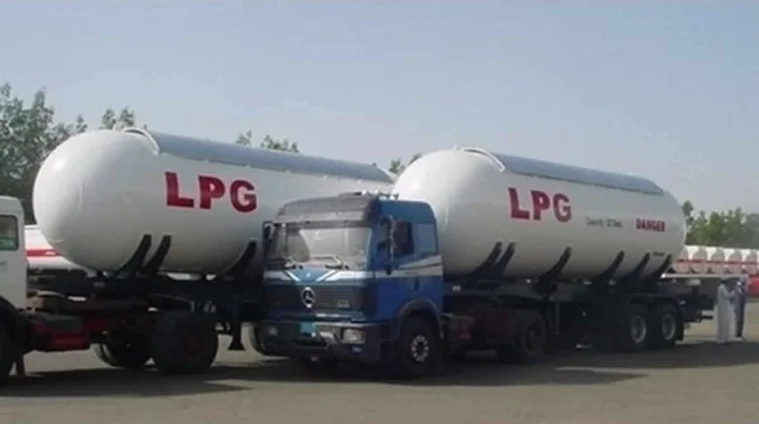
The National Petroleum Authority (NPA) has revealed that Ghana’s strategic monthly import arrangement for Liquefied Petroleum Gas (LPG) is currently shielding domestic consumers from surging international market rates. Abass Tasunti, the Director of Economic Regulation at the NPA, explained that the authority utilizes a tender program that effectively locks in the cost of imported LPG for a 30-day period. This mechanism ensures that even when global energy costs spike during the month, the price at which the product was originally secured remains constant for the local Ghanaian market.
According to Mr. Tasunti, this fixed-pricing strategy has allowed local LPG prices to remain stable or even decrease in some instances, despite a broader upward trend in global markets. Because the current cargo was purchased before the most recent international price surges, Ghanaian consumers are benefiting from a significant delay in price adjustments. However, the NPA cautioned that this relief is tied to the duration of the current supply cycle. Once the 30-day window closes and new supplies are negotiated at prevailing market rates, local prices are expected to rise to reflect the updated international reality.
While the LPG situation is managed through this structured pricing window, the NPA warned that the diesel market faces significantly more volatile conditions. Global diesel supplies are under intense pressure due to geopolitical tensions, specifically the ongoing conflict between Russia and Ukraine. Mr. Tasunti noted that recent disruptions and attacks on Russian refineries have slashed that country's diesel output by approximately 30%. This sharp reduction in production has forced many nations to seek emergency supplies, further tightening the global market.
Ghana is currently navigating these external pressures as European nations respond by releasing their own strategic reserves. Countries such as France and Spain have already begun contributing to these efforts to stabilize their domestic markets. The NPA remains focused on monitoring these global developments, noting that the international focus on diesel supply remains high as the industry adapts to the loss of Russian refining capacity and the subsequent shifts in global energy trade routes.
myjoyonline.com
Primaryenergy and infrastructure‘The price at which product was imported is locked in’ – NPA explains LPG pricing
myjoyonline.com
energy and infrastructureGhana escapes sharp LPG price rise as earlier deal pays off – NPA
myjoyonline.com
energy and infrastructure‘There’s a lot of attention on diesel at the moment’ – NPA explains supply pressures, impact on prices
