••
Ghana’s Economic Recovery Gains Momentum as President Mahama’s Policies Win Investor Trust and Corporate Profits Soar
•3 min read•14 sources
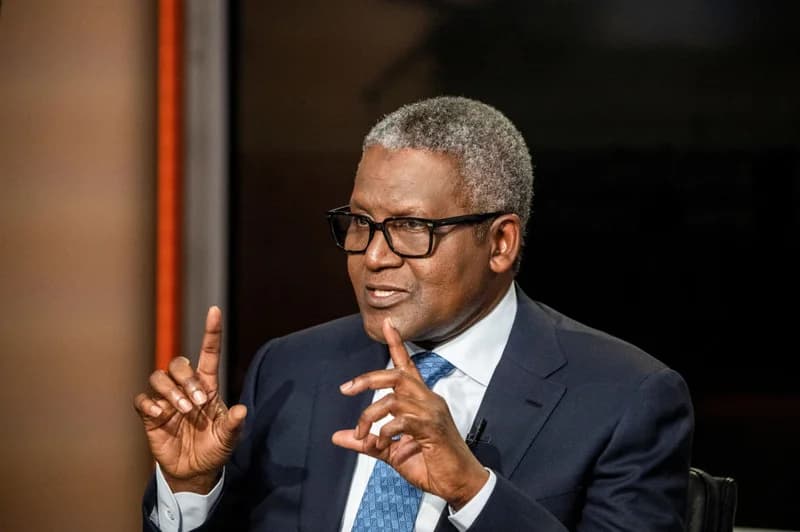
Ghana’s economic landscape in late 2026 is marked by a significant rebound in investor confidence and robust corporate performance, even as the government and financial institutions navigate the complexities of sustained growth. High-profile endorsements from business leaders, most notably Dangote Group President Aliko Dangote, have attributed the nation’s turnaround to President John Mahama’s leadership. Speaking at the Accra Reset event during the UN General Assembly, Dangote emphasized that the President’s prudent decision-making has restored the trust necessary for capital movement. This sentiment is echoed by the government’s preparation for the 2027 Budget, which Finance Minister Dr. Cassiel Ato Forson indicates will prioritize the $10 billion 'New Economy' programme focused on job creation and infrastructure expansion.
In the corporate sector, MTN Ghana is leading the charge with a projected earnings extension into the second half of 2026. The telecom giant reported a 44.5% increase in profit before tax for H1 2026, reaching GH¢7.4 billion, driven by surging demand in data and fintech services following the merger of its mobile money subsidiaries. The banking sector is also showing signs of a strong recovery; according to Databank Research, the industry’s non-performing loan (NPL) ratio has improved from 23.1% in 2025 to 16.1% in 2026. With capital adequacy ratios rising to 20.4%, many banks have resumed dividend payments, further buoying investor sentiment on the Ghana Stock Exchange.
Despite these positive indicators, the Bank of Ghana (BoG) faces a delicate balancing act during its Monetary Policy Committee (MPC) meeting on September 23-24, 2026. While inflation remains within the medium-term target at 5%, the Committee must decide whether to implement rate cuts to stimulate further growth or maintain a cautious stance against potential pressures from oil prices and currency volatility. As of September 22, the Ghanaian Cedi sold at GHS 12.15 on the forex market, reflecting a slight depreciation that continues to influence the cost of digital services and imports.
Public sentiment and political critique suggest that the benefits of this recovery are still filtering down to the average citizen. A survey by Professor Smart Sarpong revealed that 51.2% of Ghanaians feel their economic situation remains unchanged, while United Party leader Alan Kyerematen has cautioned against "premature" celebrations, arguing that two years of improved indicators do not yet constitute permanent stability. This domestic caution is underscored by regional volatility, as seen in neighboring Nigeria where media figures like Nedu Wazobia describe a "daily battle" for survival. For Ghana, the coming months will be a test of whether the current macroeconomic gains can be sustained long enough to transform the lived experience of the broader population.
Related topic
John Mahama: Latest News & Updates →Live rates
Bank of Ghana policy rate →
