••
Local Government Minister Mahama Ayariga Announces Resumption of Stalled Kejetia Market Phase Two Redevelopment
•2 min read•3 sources
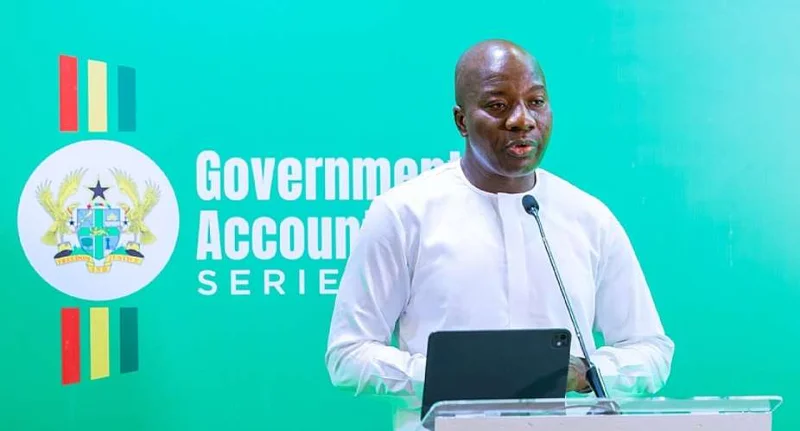
The Minister of Local Government, Chieftaincy, and Religious Affairs, Mahama Ayariga, has announced that work on Phase Two of the Kumasi Central Market Redevelopment Project, popularly known as the Kejetia Market, is set to resume within days. The project has been stalled for nearly two years, a delay that has significantly impacted traders and the local economy in the Ashanti Region. Following the conclusion of successful negotiations with contractors, the government is moving to revitalize the construction site, signaling a major step toward fulfilling its infrastructure commitments to the people of Kumasi.
Central to the resumption of the project is a strategic financial plan approved by Finance Minister Dr. Cassiel Ato Baah Forson. The government has been authorized to utilize proceeds from Phases One and Two to facilitate the return of contractors and kickstart the financial discussions for Phase Three. Currently, Phase Two stands at approximately 60% completion. Minister Ayariga emphasized that completing this stage is the immediate priority before the government fully addresses the pricing and contractual requirements for the third phase. The return of heavy machinery and workers to the site is expected to happen almost immediately, bringing relief to residents and traders who have long awaited progress on the facility.
Beyond the Kejetia project, the Minister outlined a broader vision for national market development as part of the government's economic agenda. He revealed that the government is redesignating its "24-Hour Economy Markets" initiative as "District Economy Markets" to ensure that the benefits of modern infrastructure are felt across all districts in Ghana. To support this, new positions for Regional Economists are being created to help integrate local economic strategies with regional planning. This approach aims to ensure that markets are not just physical structures but active hubs for job creation and community welfare.
To prevent further delays and ensure accountability, a dedicated committee has been established to monitor the project's progress and ensure it meets updated timelines. Minister Ayariga warned that the government remains prepared to reassign contracts if necessary to avoid future stagnation. These developments will be further detailed in the upcoming 2027 budget, which is expected to unveil a comprehensive framework for market development across the country. By focusing on completing stalled projects and integrating local economic planners, the government intends to bolster the Ashanti Region's status as a commercial powerhouse.

