••
John Mahama unveils US$10bn New Economy programme for 2027
•2 min read•5 sources
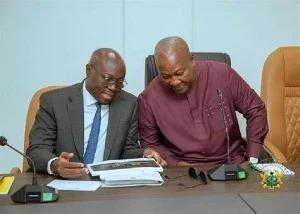
President John Mahama has announced the New Economy programme, a US$10 billion investment framework designed to transform Ghana’s industrial landscape between 2027 and 2030. The initiative aims to shift the national focus from economic stabilization to intensive local production and job creation. This announcement precedes the formal presentation of the 2027 Budget by Finance Minister Dr. Cassiel Ato Forson, which is scheduled for November 12. The government plans to commit a specific percentage of annual GDP to support the framework, relying on a combination of public funding and private sector partnerships.
The programme targets seven priority sectors: commercial agriculture, energy, critical minerals, textiles, tourism, pharmaceutical manufacturing, and macroeconomic stability. By revitalizing these industries, the government intends to reduce Ghana's heavy reliance on imports and expand export capacity. Key goals include establishing the country as a regional pharmaceutical hub and reviving the domestic textile industry to create sustainable employment for youth and entrepreneurs. These efforts are expected to convert recent macroeconomic improvements into tangible opportunities for local businesses.
The New Economy plan is structured to complement the administration's existing 24-Hour Economy policy by providing the industrial infrastructure and incentives necessary for extended business operations. Government spokespeople noted that the first two years of the Mahama administration were dedicated to resetting and consolidating the economy following the completion of the International Monetary Fund (IMF) programme. The new framework represents the next phase of this strategy, moving beyond consolidation to proactive industrial expansion.
As the Ministry of Finance prepares to detail the budget, investors and businesses are looking for specific information regarding resource allocation and implementation timelines. While the government views the US$10 billion plan as a necessary step toward economic self-sufficiency, it faces scrutiny over its ability to mobilize such significant capital. The success of the initiative will ultimately depend on effective execution and the government's capacity to generate sustained job growth through enhanced domestic productivity.
myjoyonline.com
Primarybusiness2027 Budget: How Mahama plans to turn Ghana's fortunes with $10bn 'New Economy' plan
citinewsroom.com
business2027 Budget: Inside Mahama’s US$10bn New Economy programme
modernghana.com
businessNew Economy: Ghana Eyes Jobs and Investment Through Creative Arts and Textile Industries
modernghana.com
businessNew Economy: 2027 Budget Expected to Set Direction for Ghana's Industrial Future
modernghana.com
businessNew Economy to build on two years of economic reset and consolidation – Hamza Suhuyini
Related topic
John Mahama: Latest News & Updates →
