••
Cassiel Ato Forson allocates $3bn to end commercial rice imports
•2 min read•7 sources
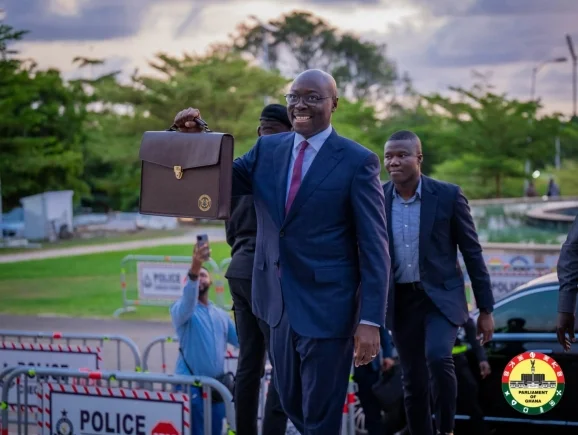
Finance Minister Dr. Cassiel Ato Forson has announced a $3 billion investment in commercial agriculture as part of a strategic plan to prohibit commercial rice imports by 2030. Delivering the 2027 Budget Statement and Economic Policy to Parliament on November 12, Dr. Forson detailed a roadmap to achieve self-sufficiency through massive investment in domestic production capacity. This initiative is a cornerstone of the broader "New Economy, New Ghana: Jobs and Prosperity" programme, a four-year, $10 billion economic transformation agenda designed to reduce import dependency and create sustainable employment under the President John Mahama administration.
To reach these production targets, the government will establish four dedicated rice development hubs in the Afram Plains, the Volta Basin, Western Ghana, and Northern Ghana. These hubs are designed to manage the entire agricultural value chain, focusing on irrigation, mechanization, storage, processing, packaging, and logistics. The government aims to bring an additional 100,000 hectares of land under rice cultivation, targeting improved yields of five to six metric tonnes per hectare. This expansion is projected to create approximately 125,000 new jobs across the country, particularly for the youth in rural and peri-urban areas.
Beyond physical infrastructure, the strategy includes significant legislative and fiscal reforms to support local farmers. Dr. Forson announced plans to amend public procurement laws to mandate that all public institutions purchase only locally grown rice and other food staples. To further enhance the competitiveness of Ghanaian rice, the government will introduce tax incentives aimed at lowering investment costs in infrastructure and equipment. As domestic production increases, the government will implement a phased reduction in import quotas, leading up to the full prohibition of commercial imports by the end of the decade.
The $3 billion agricultural investment is part of a GH₵30 billion commitment for the 2027 fiscal year intended to shift the national economy from a reliance on raw material exports to diversified local production. Other targeted areas include poultry production, aquaculture, and self-sufficiency in sugar, alongside major infrastructure projects like the Pwalugu Multipurpose Dam. By fostering an investment climate that prioritizes domestic procurement, the administration aims to stabilize food prices, combat inflation, and insulate the Ghanaian economy from global supply chain shocks.
graphic.com.gh
Primarybusiness2027 Budget: Government commits US$3bn to agriculture, GH¢30bn to the new economy
ghanaweb.com
business2027 Budget: Ghana to ban commercial rice imports by 2030 – Dr Ato Forson
myjoyonline.com
businessGhana to ban commercial rice imports by 2030 under new production plan
ghanaweb.com
business2027 Budget: Ato Forson announces four rice hubs to create 125,000 jobs
citinewsroom.com
business2027 Budget: Ato Forson announces four rice hubs to create 125,000 jobs
gbcghanaonline.com
businessGovernment commits US$3bn to commercial agriculture, targets end to rice imports by 2030
ghanaweb.com
businessAfDB grants Ghana US$18.8m to boost rice production as output hits 960,000 tonnes
Related topic
John Mahama: Latest News & Updates →
