••
Cassiel Ato Forson presents GH₵389.2bn budget for 2027 fiscal year
•3 min read•37 sources
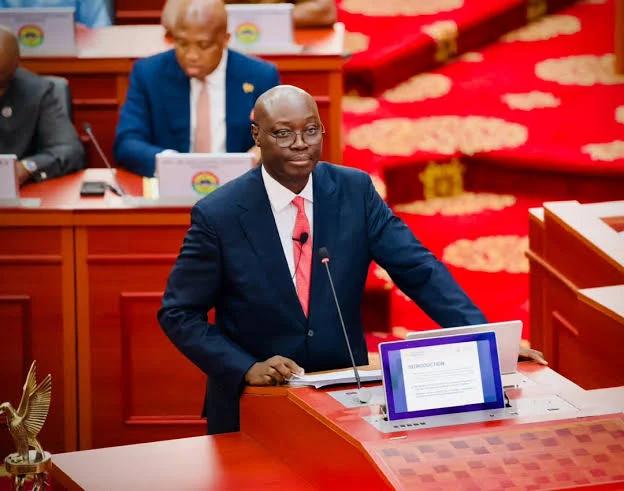
Finance Minister Dr. Cassiel Ato Forson presented the 2027 Budget Statement to Parliament on November 12, 2026, outlining a total expenditure of GH₵389.2 billion. Representing 21.6% of the national GDP, the fiscal plan signals a definitive shift from the macroeconomic stabilization of recent years to an aggressive growth and production-led strategy. Central to the budget is the "New Economy" programme, a four-year, $10 billion investment initiative championed by President John Mahama. The minister told lawmakers that the economy has successfully emerged from its most severe crisis, with stability returned and investor confidence restored following the completion of a three-year International Monetary Fund (IMF) programme.
The budget details a significant pivot toward capital investment, with GH₵100.4 billion earmarked for infrastructure and development projects—a sharp increase from previous years where interest payments dominated spending. Revenue and grants are projected to reach GH₵323.4 billion, leaving a cash-basis deficit of GH₵65.8 billion, or 3.6% of GDP. To manage the national debt profile, the government plans to complete early debt repayments of GH₵36 billion by December 2026 and purchase GH₵29 billion in local bonds. Significant sectoral allocations include GH₵48 billion for education and GH₵40.3 billion for health, alongside GH₵104.1 billion for public sector compensation.
The $10 billion New Economy programme, scheduled to run from 2027 to 2030, is built on eight foundational pillars designed to modernize the Ghanaian economy. These pillars include commercial agriculture, energy infrastructure, critical minerals value addition, and the development of pharmaceutical and technology hubs. The programme aims to mobilize $2.5 billion annually through domestic financing and enhanced tax administration rather than relying on new external loans. Dr. Forson emphasized that this strategy focuses on transitioning Ghana from a raw material exporter to a production-driven economy, with the goal of achieving 8% real GDP growth and reducing the unemployment rate to below 8% by 2030.
Addressing the social impact of recent economic reforms, Dr. Forson acknowledged that while macroeconomic stability has returned, the true measure of success must be the quality of life for citizens. He highlighted the current national unemployment rate of 12.8% as a critical challenge that the New Economy programme is specifically structured to address. With Ghana’s 70th independence anniversary approaching in March 2027, the minister framed the budget as a turning point to fulfill the industrial visions of the nation’s founders. The government intends to leverage this fiscal stability to foster a resilient industrial base that ensures future economic growth is shared across all sectors of society.
graphic.com.gh
Primarybusiness2027 Budget: Ato Forson pledges to honour Ghanaians' sacrifices with jobs and prosperity
graphic.com.gh
businessThe 8 Pillars: Ato Forson Reveals blueprint for Ghana's $10billion New Economy in 2027 budget
graphic.com.gh
businessGH¢389.2billion budget: Ato Forson unveils 2027 spending plan
graphic.com.gh
businessPLAYBACK: Presentation of the Budget Statement & Economic Policy of the Government of Ghana for the 2027 Financial Year
graphic.com.gh
businessFrom debt buybacks to the New Economy: The complete 2027 budget (FULL TEXT)
gbcghanaonline.com
businessAto Forson promises resilient economic growth under 2027 budget
gbcghanaonline.com
businessFull text: 2027 Budget Statement and Economic Policy
ghanaweb.com
businessHere are the 8 pillars to drive government's US$10 billion New Economy Programme
ghanaweb.com
businessKnow the 8 pillars of Mahama government's New Economy Programme
modernghana.com
business2027 Budget: Ghana has emerged from painful economic crisis - Finance Minister
gbcghanaonline.com
businessFinance Minister Details 8 Pillars That Will Underpin Ghana’s New Economy
gna.org.gh
businessFinance Minister to unveil US$10bn ‘New Economy’ budget today
gbcghanaonline.com
business2027 Budget: Finance Minister outlines funding sources for New Economy Programme
gna.org.gh
businessFinance Minister to unveil US$10bn ‘New Economy’ investment plan in 2027 Budget
modernghana.com
business2027 Budget: Government to spend GH¢389.2bn, allocates GH¢100.4bn for projects
modernghana.com
businessGhana recorded 5.2% average growth in 35 years but unemployment remains a challenge – Ato Forson
modernghana.com
business2027 Budget: Stability returned in Ghana's economy, Ghanaians can breathe again - Finance Minister
myjoyonline.com
businessGhana’s 70th anniversary must mark turning point in economic transformation – Ato Forson
citinewsroom.com
business2027 Budget: Economic targets, fiscal reforms and key priorities to watch
citinewsroom.com
businessAto Forson to present 2027 Budget today amid expectations for job creation
myjoyonline.com
businessGhana has struggled to sustain a shared economic direction after Dr Nkrumah - Ato Forson
myjoyonline.com
businessThese are the 8 pillars of the 'New Economy' in the 2027 Budget
myjoyonline.com
businessGov't projects GH¢389.2bn expenditure for 2027 - Finance Minister
citinewsroom.com
business2027 Budget: Ato Forson outlines 8 pillars under US$10bn New Economy programme
gbcghanaonline.com
businessGhana has come out of its worst economic crisis - Finance Minister
gbcghanaonline.com
business‘Ghanaians can breathe again’ – Ato Forson says economic confidence has returned
modernghana.com
business2027 budget: Reckless spending, weak revenue and expensive debt caused 2022 crisis – Ato Forson
modernghana.com
businessAto Forson unveils four-year New Economy plan ahead of Ghana’s 70th independence anniversary
classfmonline.com
businessFinance Minister Ato Forson presents 2027 budget today at 6 pm
citinewsroom.com
business‘Ghanaians can breathe again’ – Ato Forson says economic confidence has returned
myjoyonline.com
businessGov’t to spend $10 billion over 4 years to create a modern Ghanaian economy - Ato Forson
gbcghanaonline.com
businessGovernment targets unemployment below 8% by 2030
ghanaweb.com
businessGovernment targets at least 0.5% primary surplus, 45% debt-to-GDP from 2027
gbcghanaonline.com
businessGhana's public debt hits GH¢759.3bn as government reports GH¢20.8bn arrears clearance
gbcghanaonline.com
businessGhana records 1.24% primary surplus from January to October 2026 – Ato Forson
citinewsroom.com
businessGovernment targets 5.2% growth, 6 months of import cover in 2027
myjoyonline.com
businessGovernment targets 8% GDP growth, unemployment below 8% by 2030
Related topic
John Mahama: Latest News & Updates →