••
GFA President Kurt Okraku Faces Growing Backlash Over Allegations of Intimidation and Political Collusion
•2 min read•5 sources
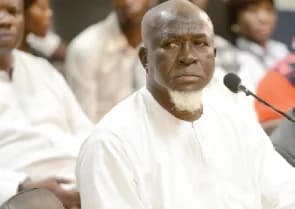
The Ghana Football Association (GFA) is facing a storm of criticism as prominent figures in Ghanaian football voice concerns over the leadership of President Kurt Okraku. Amid a disappointing 2027 Africa Cup of Nations (AFCON) qualifying campaign, stakeholders have raised serious allegations ranging from the intimidation of domestic clubs to unholy alliances with government officials. The mounting pressure comes at a time when the performance of the national teams and the management of the domestic league are under intense scrutiny from both the public and former internationals. Alhaji Karim Grusah, the bankroller of King Faisal, has been particularly vocal, alleging that a culture of fear permeates the GFA. According to Grusah, domestic clubs—including giants like Asante Kotoko and Hearts of Oak—are hesitant to criticize the GFA for fear of victimization, specifically the threat of being relegated from the league. Grusah claims that this environment of intimidation has silenced necessary dialogue regarding the perceived mismanagement of the sport, further exacerbated by the Black Stars' recent poor results. He has gone as far as calling for the immediate resignation of the GFA leadership and suggesting public demonstrations to force reform. Adding to the internal pressure, former Ghana international Nii Odartey Lamptey has directed his critique toward the circle of advisors surrounding Kurt Okraku. Lamptey argued that those currently influencing the President are hurting his legacy rather than helping him navigate the challenges of the role. Simultaneously, sports journalist Saddick Adams has alleged an unholy alliance between the GFA and government ministers. Adams suggests that decisions within the football administration are often driven by political interests, with appointments frequently used to reward political allies with travel opportunities and other perks rather than being based on merit or competence. The controversy is further complicated by reports that government officials have advised Kurt Okraku not to seek a third term in office. While recent GFA constitutional amendments removed the two-term limit for the presidency, allowing for a potential third term, the reported government pushback suggests a lack of confidence in the current administration's ability to revitalize the nation's footballing fortunes. As the debate over the future of Ghanaian football intensifies, the GFA leadership faces the dual challenge of improving on-field results while addressing deep-seated concerns about transparency, accountability, and the integrity of its governance.


