••
Dr. Kwame Baah-Nuakoh Asserts Government Must Invest to Gain Control of GFA Governance
•3 min read•4 sources
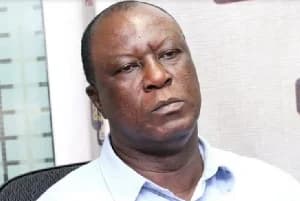
Dr. Kwame Baah-Nuakoh, Chairman of the Ghana Football Association (GFA) Club Licensing Committee, has stated that the Ghanaian government lacks the structural authority to dictate terms to the association without significantly increasing its financial commitment to local clubs. Invoking the adage "he who pays the piper calls the tune," Baah-Nuakoh argued that the current autonomy of the GFA is rooted in the fact that club officials, rather than the state, carry the primary financial and voting weight within the association's governance framework. He emphasized that the government cannot expect to control decisions while remaining on the periphery of the clubs' daily operations.
These remarks come at a time of heightened tension within Ghanaian football, as calls for the resignation of GFA President Kurt Okraku and the dissolution of the current administration intensify. The backlash follows a disastrous start to the Africa Cup of Nations (AFCON) qualifying campaign, where the Black Stars currently sit at the bottom of Group C with zero points. A recent 4-2 defeat to The Gambia has served as a catalyst for public and political frustration, leading many to demand a complete overhaul of the sport's leadership ahead of the next scheduled GFA elections in 2027.
Baah-Nuakoh pointed out that the GFA's democratic structure heavily favors club representatives, who hold the power to elect leadership and determine policy. He suggested that unless the government takes over the financial responsibilities and operational costs of these clubs, it remains nearly impossible to influence voting behaviors or force administrative changes from the outside. This structural reality, according to the former Asante Kotoko official, complicates any immediate attempts at government-led intervention or the proposed dissolution of the football governing body.
Adding to the complexity of the relationship between the state and the GFA is a growing dispute over recent funding provided to top-flight teams. While Sports Minister Kofi Iddie Adams recently confirmed governmental financial support for the 2026-2027 season, Takyi Arhin, General Manager of Aduana FC, has publicly countered this claim. Arhin asserts that the GH₵1 million provided to each Ghana Premier League club was actually a loan from the GFA, rather than a direct government grant. This discrepancy highlights the ongoing friction and lack of clarity regarding the financial ties between the state and the footballing fraternity.
As the national team struggles to regain its footing, the debate over investment versus accountability remains at the forefront of the sporting discourse. The intersection of poor results on the pitch and disputes over financial transparency suggests that the struggle for control over the nation's most popular sport will continue until a more defined partnership is established. For now, the GFA leadership maintains its stance that state influence must be earned through consistent investment in the domestic league's infrastructure and club stability.


