••
Black Starlets Endure 20-Hour Road Journey to Burkina Faso for WAFU Championship Amid GFA Criticism
•2 min read•3 sources
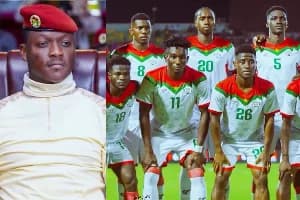
Ghana’s National Under-17 team, the Black Starlets, have arrived in Ouagadougou, Burkina Faso, after a grueling 20-hour road journey to compete in the WAFU Zone B U17 Championship. The decision by the Ghana Football Association (GFA) to transport the young athletes by bus rather than air has sparked significant backlash from sports administrators and stakeholders. While the team has successfully reached its destination to begin final preparations, the travel arrangements have raised serious questions regarding the safety and welfare of Ghana's emerging football talents in a region currently grappling with security challenges.
The Starlets’ journey to the Burkinabe capital followed a four-day training camp in Bolgatanga, which served as a transition point after the team returned from high-profile friendly matches in Morocco. During their Moroccan tour, the squad showed competitive promise by securing one victory and suffering one loss. Now situated in Group B for the regional tournament, Ghana faces a challenging path against Togo, Benin, and the host nation, Burkina Faso. The stakes are particularly high for this cohort, as the top two finishers in the championship will secure coveted spots in the 2027 U17 Africa Cup of Nations.
However, the logistical choice to travel by road has drawn sharp criticism from high-ranking officials, including a former Board Chairman of the National Sports Authority (NSA). Critics have expressed deep disappointment in the GFA leadership under President Kurt Okraku, arguing that subjecting teenage athletes to such an exhausting journey exposes them to unnecessary physical fatigue and potential security risks. This perceived neglect is being framed by some as a failure to properly value the next generation of Ghanaian football stars, contrasting the current treatment of junior teams with the historical prestige the Black Starlets once held on the global stage.
While no security incidents were reported during the Starlets' transit, the regional football landscape remains complex. In the host nation, President Ibrahim Traor recently announced plans for government intervention in Burkina Faso’s football affairs to address systemic concerns, despite the risk of FIFA sanctions for political interference. For Ghana, the immediate focus remains on the pitch as the Starlets seek to reclaim their dominance. Nevertheless, the controversy surrounding their travel highlights a growing demand for better logistical support and administrative accountability to ensure the development of junior talent is not compromised.


