••
Imaan Mazari and Hadi Ali Chattha sentenced to 10 years in prison
•2 min read•1 source
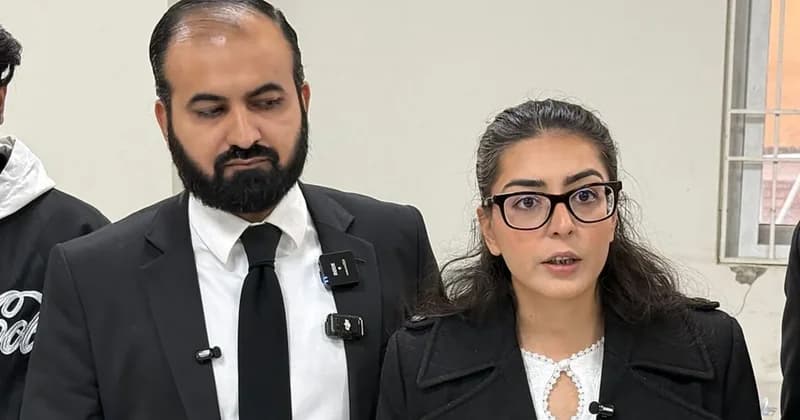
An anti-terrorism court in Pakistan has sentenced prominent human rights lawyer Imaan Mazari and her husband, Hadi Ali Chattha, to 10 years in prison. The conviction centers on alleged security breaches that occurred during the England cricket team’s tour of Pakistan in 2024. The couple was specifically accused of removing road barriers and obstructing police officers who were managing security for the international athletes. Despite the severity of the sentence, Mazari and Chattha have consistently denied the charges, asserting their innocence throughout the proceedings.
The trial has drawn sharp criticism from international human rights organizations, including Amnesty International, which has characterized the judicial process as unfair. Observers point out that this is not the first time the couple has faced significant legal pressure. They previously faced combined sentences totaling up to 17 years in relation to social media posts that were critical of the Pakistani military. Although the Supreme Court eventually suspended those earlier penalties, this new conviction highlights what activists describe as a persistent campaign of harassment against the pair for their vocal legal advocacy.
Within Pakistan, Mazari is recognized as a leading figure in the legal community, frequently representing marginalized groups and activists who find themselves at odds with state institutions. Her work and that of her husband have made them targets for state scrutiny, according to rights defenders. Amnesty International has highlighted that the prosecution appears to be an attempt to silence their activism and discourage others from challenging authority. The use of anti-terrorism laws for what critics describe as civil or minor infractions is a point of significant contention in the legal discourse surrounding the case.
As the couple begins their sentence, international legal bodies are calling for a review of the case, emphasizing the need for judicial independence and the protection of lawyers. The sentencing is seen as a chilling development for civil society in Pakistan, raising questions about the future of human rights advocacy in a climate of increasing legal restrictions. The couple is expected to appeal the verdict, keeping the international spotlight on Pakistan's treatment of its legal professionals and human rights defenders.

