••
Alieu Kosiah's 20-year war crimes sentence upheld by Swiss Supreme Court
•2 min read•1 source
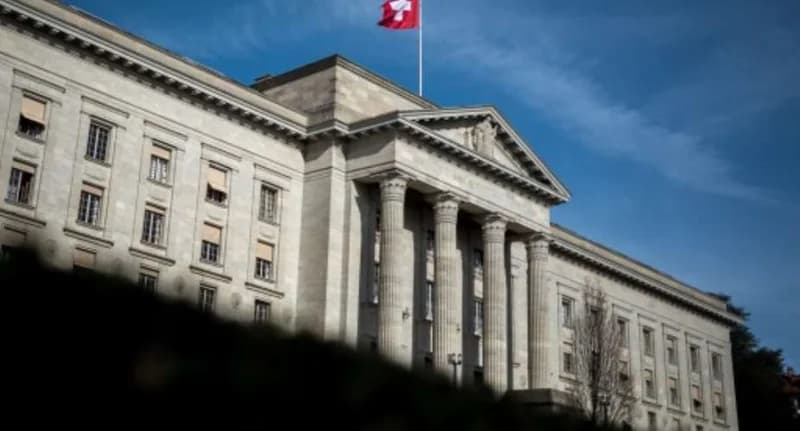
Switzerland’s Supreme Court has confirmed a 20-year prison sentence for Alieu Kosiah, a former Liberian rebel commander, for war crimes committed during the country's civil wars. This ruling solidifies the first war crimes conviction ever handed down by a Swiss civilian court. While the court maintained the maximum prison term for atrocities committed during the conflict that spanned from 1989 to 2003, it also delivered a nuanced legal distinction regarding the classification of his actions under current Swiss law.
The court’s decision included an acquittal for specific charges of crimes against humanity. The judges ruled that these charges could not be applied because the relevant Swiss legislation only came into effect in 2011, years after the crimes took place. This principle of non-retroactivity meant that although Kosiah was found to have committed acts that would otherwise fit the definition, he could only be held liable for war crimes. Despite this legal adjustment, the 20-year sentence remains unchanged, reflecting the gravity of the crimes for which he was originally convicted.
This case represents a landmark application of universal jurisdiction, a legal principle that allows national courts to prosecute individuals for international crimes regardless of where they were committed. Kosiah, a former commander of the United Liberation Movement of Liberia for Democracy (ULIMO), was found guilty of a range of atrocities, including killings, rape, and the use of child soldiers. The ruling demonstrates Switzerland's commitment to prosecuting international crimes, filling a void left by the absence of a domestic war crimes tribunal in Liberia.
The final verdict has drawn mixed reactions from international legal experts and victim advocates. While the confirmation of the prison sentence is seen as a victory for accountability, some human rights groups expressed disappointment over the acquittal for crimes against humanity, arguing that the systemic nature of the violence warranted the charge. Nevertheless, the Supreme Court's ruling marks a significant milestone in the pursuit of justice for victims of Liberia’s internal conflicts, signaling that former combatants cannot find permanent refuge from their past actions.

