••
Climate Rights International warns of human rights risks in DRC Green Corridor
•2 min read•1 source
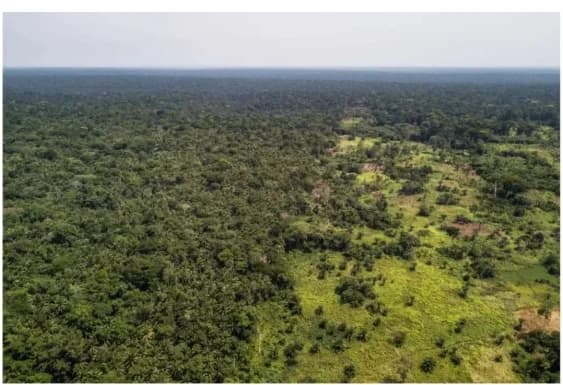
Climate Rights International (CRI) has issued a warning regarding the Democratic Republic of Congo's (DRC) ambitious Kivu-Kinshasa Green Corridor project. The 2,400-kilometre initiative is designed to integrate nature conservation with economic development, but a new report from the organization suggests that the project is currently threatened by ongoing extractive activities and potential human rights violations. CRI argues that without significant reforms, the initiative could fail to meet its environmental goals while causing harm to local populations.
The primary concerns raised in the report center on the persistence of oil exploration and mining within the proposed corridor area. These industrial activities, along with existing land disputes, create a volatile environment that CRI believes could lead to forced evictions of indigenous and local communities. The organization highlights that for the Green Corridor to be truly "green," the government must prioritize the legal rights of those living in the project's path and ensure that no development proceeds without genuine, informed community consent.
To mitigate these risks, Climate Rights International is calling for an immediate ban on all new extractive activities within the corridor's boundaries. The report also stresses the urgent need for stronger protections for environmental activists and local leaders who often face harassment when opposing industrial projects. CRI maintains that the success of the Green Corridor depends on transparent governance and a shift away from the extractive-led economic model that has historically dominated the DRC's resource management.
While the Green Corridor offers significant potential for job creation and sustainable economic growth, the CRI report serves as a reminder that conservation efforts cannot be decoupled from human rights. The organization emphasizes that effective oversight and accountability mechanisms must be established to prevent the initiative from becoming a cover for further exploitation. Moving forward, the participation of civil society and the implementation of robust safeguards will be essential to ensure the project benefits both the environment and the Congolese people.


